


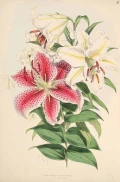
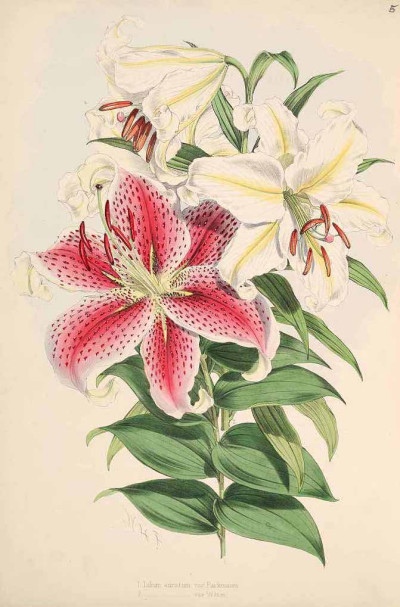
Pink Stargazer

 Garden The PlantShare Way ®
~ All About Oriental lily ~


Oriental lilies (Lilium orientalis) bring bold fragrance and large, dramatic flowers to home gardens, making them a favorite among beginner and experienced gardeners alike. Success with growing Oriental lilies starts with understanding their basic needs and choosing the right planting site.
These lilies prefer bright light with some protection from strong afternoon sun. Proper Oriental lily growing conditions include well-drained, nutrient-rich soil that stays slightly moist but never soggy. Bulbs perform best when planted in spring or fall, with the pointed end facing up and enough depth to protect roots from temperature swings.
Gardeners can choose from many striking Oriental lily varieties, including white, pink, and deep red cultivars with speckled or edged petals. Popular types often grow taller than other lilies, which makes them ideal for the back of flower beds or as focal points in borders. Strong stems support large blooms, but windy areas may still need light staking.
Understanding bloom time helps with garden planning. Most varieties flower in mid to late summer, often after Asiatic lilies finish blooming. This timing extends color and interest in the garden while adding a rich, sweet scent that attracts pollinators.
Basic Oriental lilies care includes steady watering during active growth and mulching to keep roots cool. After flowering, leave the foliage in place until it yellows naturally. This allows the bulb to store energy for the next season. Feeding with a balanced fertilizer in spring also supports healthy blooms.
For gardeners interested in Oriental lily propagation, division works best. Bulbs slowly multiply underground and can be separated every few years in fall. While generally hardy, gardeners should watch for common diseases such as bulb rot and fungal leaf spots, which often appear in poorly drained soil.
With proper placement and simple care, Lilium orientalis reward gardeners with long-lasting beauty, strong fragrance, and reliable summer blooms.
Yes, oriental lilies are perennials. They grow back each year from the same bulbs when planted in the ground and cared for properly.
Oriental lilies usually bloom in mid to late summer. Their flowers often open after Asiatic lilies finish blooming.
Plant the bulbs in spring or fall. Fall planting helps roots develop early, while spring planting works well in colder regions.
Plant them in well-drained soil and give them regular water during growth. Mulch helps keep roots cool. Remove spent flowers, but leave the leaves until they turn yellow.
Yes, they slowly multiply. New bulbs form underground over time, creating small clumps that can be divided every few years.
They bloom once per season. They will not rebloom the same year, but they return and bloom again the following summer.
Most oriental lilies grow between 3 and 5 feet tall. Taller types may need support in windy areas.
Yes, they grow very well outdoors. They are suitable for garden beds, borders, and raised beds in many climates.
Plant the bulbs about 6 to 8 inches deep. This depth protects the bulb and supports strong stems.
Good companions include hostas, ferns, daylilies, and low-growing perennials. These plants shade the soil and make the garden look full.
Last updated on May 31, 2026
Species suggested by: Cynthia Cynthia, 2020
Plant Profile compiled and written by: Team PlantShare
Contributors: Team PlantShare
 Ask Us!

