



 Garden The PlantShare Way ®
~ All About Chives ~


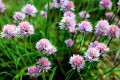
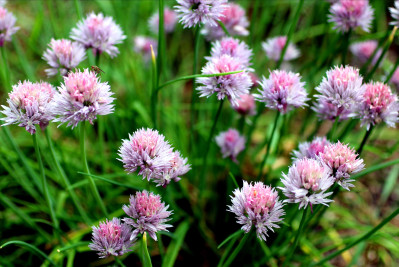
For beginner gardeners, few herbs are as rewarding and simple to grow as wild chives (Allium schoenoprasum). Their delicate onion-like flavor, compact growth, and attractive purple blooms make them both practical and ornamental. Whether you’re growing them in a kitchen garden, raised bed, or container, understanding chives plant care ensures a steady supply of fresh herbs all season long.
There are several chives varieties to explore. Wild chives (Allium schoenoprasum) are the most common type, offering hollow, grassy leaves with a mild onion flavor. Garlic chives (Allium tuberosum), on the other hand, have flat leaves and a subtle garlicky taste that pairs well with stir-fries and savory dishes. Both varieties produce charming flowers that attract pollinators like bees and butterflies.
Since Allium schoenoprasum is perennial by nature, it comes back year after year with minimal effort. It thrive in full sun and well-drained soil enriched with organic matter. Regular trimming encourages new, tender growth and prevents the plant from becoming too woody. For ideal growing, water consistently but avoid waterlogged soil — chives dislike sitting in moisture.
In terms of plant care, remove faded flower heads to prevent self-seeding, which can lead to overcrowding. Every two to three years, divide mature clumps in early spring or fall to maintain healthy, vigorous plants.
A larger relative worth noting is Allium porrum, commonly known as leek. While not an herb, leeks share similar cultural needs with chives, including full sun, fertile soil, and consistent moisture. Unlike chives, which are harvested leaf by leaf, leeks are grown for their thick, white stems and require more space and time to mature. Growing both plants together is a practical way to explore different flavors from the same plant family in one garden.
Here are a few interesting facts about chives: they’re among the earliest herbs to emerge in spring, they deter garden pests like aphids, and their blossoms are edible — perfect for salads or herb butters.
With their ease of care, long lifespan, and culinary versatility, chives are a must-have herb for gardeners who appreciate both flavor and beauty in their outdoor spaces.
Chives are considered an herb, not a vegetable. They are part of the onion family and are mainly used to season dishes rather than eaten in large amounts like vegetables.
Yes, Chives produce round clusters of small, purple flowers in late spring to early summer. These blooms are attractive to pollinators and also add beauty to the garden.
Yes, Chives are a perennial plant. Once planted, they return year after year, often producing bigger clumps each season if well cared for.
Chives originated in Europe and Asia. They have been used for centuries as both a culinary herb and a medicinal plant, spreading across the world through trade and gardening.
Yes, the flowers of the Chive plant are edible. They have a mild onion flavor and can be sprinkled on salads, soups, or other dishes for color and taste.
Last updated on May 31, 2026
Species suggested by: Dina Russell, 2020
Plant Profile compiled and written by: Team PlantShare
Contributors: Team PlantShare
 Ask Us!