




 Garden The PlantShare Way ®
~ All About European Michaelmas Daisy ~


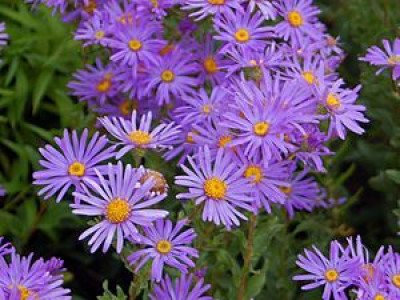
If you’re new to gardening and want a low-maintenance yet eye-catching perennial, Aster amellus is an excellent choice. Often called the Italian aster, this plant delivers vibrant late-season color when many other flowers fade. Its star-shaped blooms in shades of violet, pink, and blue attract bees and butterflies, adding beauty and ecological value to the garden.
There are several types of asters, and knowing the differences helps with smart plant selection. Aster amellus stays compact and works well in sunny borders or rock gardens. Taller varieties like New England aster suit the back of garden beds, while small-flowered asters create a lighter, more informal effect. Combining different asters extends bloom time and adds depth to the landscape.
Good Aster amellus care starts with the right location. This plant prefers full sun and well-draining soil. Poor drainage can lead to root problems, so sandy soil or raised beds work well if your garden holds moisture. Water young plants during dry spells, but once established, asters handle moderate drought. Removing spent blooms encourages continued flowering and keeps the plant looking tidy.
As a companion plant, Nepeta cataria, commonly known as catnip, pairs especially well with Aster amellus. Catnip forms a low, spreading mound with soft gray-green foliage that contrasts nicely with the upright aster stems. Its pale lavender flowers bloom earlier in the season, providing color before asters take over in late summer and fall. Nepeta cataria also attracts pollinators and helps suppress weeds, creating a healthier planting environment.
To keep Aster amellus vigorous, divide clumps every two to three years. This rejuvenates the plant and gives you new divisions to replant or share. With thoughtful placement and proper care, Aster amellus rewards even beginner gardeners with reliable color and lively autumn displays.
Aster amellus usually blooms from late summer to early fall, often between August and October. Its star-shaped flowers appear when many other garden plants are fading, adding fresh color at the end of the growing season. In warmer areas, blooming may start a little earlier, while in cooler climates, it may continue until the first frost.
This plant grows best in full sun, where it can produce more flowers and stronger stems. It can tolerate light partial shade, especially in hot regions, but too much shade may cause fewer blooms and stretched, weaker growth. Ideally, give it at least 6 hours of sunlight per day for the best results.
During the first growing season, water your Aster amellus regularly to help its roots establish. Once mature, it becomes fairly drought-tolerant. Water when the top inch of soil feels dry—usually once a week in normal weather. In very hot or dry periods, increase watering slightly, but always let the soil drain well to avoid root rot.
Yes, Aster amellus is excellent for pollinator gardens. Its late-season blooms attract bees, butterflies, and other beneficial insects looking for nectar before winter. Planting it near other native perennials creates a lively, healthy ecosystem that supports local pollinators.
Last updated on Aug 02, 2026
Species suggested by: Dina Russell, 2020
Plant Profile compiled and written by: Team PlantShare
Contributors: Team PlantShare
 Ask Us!