



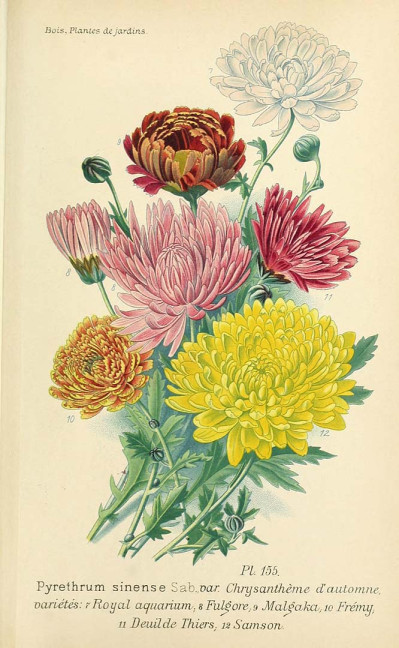
Pink Chrysanthemum



 Garden The PlantShare Way ®
~ All About Garden Mum ~


Garden mums, known botanically as Chrysanthemum × morifolium, rank among the most popular fall-blooming perennials thanks to their bold color and reliable performance. With the right approach to plant care, even beginners can grow healthy, long-lasting plants that return year after year.
Start by choosing a sunny location. These chrysanthemums need at least six hours of direct sunlight daily to form compact growth and abundant buds. Plant them in loose, well-draining soil enriched with compost. Heavy, wet soil often leads to root problems, so good drainage matters more than rich fertilizer.
Water deeply but not too often. Chrysanthemums prefer evenly moist soil, especially during active growth and bud formation. Let the top layer of soil dry slightly between waterings to avoid soggy roots. Mulching helps keep moisture consistent and protects shallow roots from temperature swings.
Pinching plays a major role in shaping the plant. From late spring to early summer, pinch back soft tips every few weeks. This simple step encourages bushier growth and more flowers in fall. Stop pinching by mid-summer so buds have time to develop.
Understanding the correct chrysanthemum hardiness zone improves long-term success. Most garden mums perform best in USDA Zones 5–9. In colder areas, plant them in spring rather than fall so roots establish before winter. After flowering, cut stems back to about 6 inches and apply a thick mulch layer for insulation.
Feed plants lightly with a balanced fertilizer in early summer. Avoid high-nitrogen feeding late in the season, which can reduce blooms. With consistent sun, proper watering, and timely pinching, Chrysanthemum × morifolium rewards gardeners with dense foliage and vibrant flowers when most other plants fade.
While garden mums dominate the fall garden, Leucanthemum vulgare (commonly known as oxeye daisy) plays a similar role earlier in the season. This classic perennial blooms from late spring into summer with bright white petals and yellow centers, offering a clean, cheerful look that contrasts beautifully with autumn chrysanthemums. Like garden mums, oxeye daisies prefer full sun and well-drained soil, but they are even more drought-tolerant once established. Including both plants in the garden allows for long-lasting structure and color from early summer through fall.
For beginners, these mums offer structure, color, and reliability—an ideal combination for building confidence and seasonal interest in the garden.
Coming soon!
Divide garden mums about every 2–3 years. This keeps the plants healthy and stops the center from dying out. Spring is the easiest time to do it, when new shoots are just starting to appear.
Spring is the best planting time. It gives the roots several months to settle in before winter. Fall planting can work in mild areas, but plants may struggle in cold regions.
Water when the top inch of soil feels dry. During warm weather, this is usually once or twice a week. Potted plants may need water more often, especially in summer heat.
Most garden mums grow about 1 to 3 feet tall. They usually spread 1 to 2 feet wide. Size depends on the variety and how often the plants are pinched.
Last updated on May 31, 2026
Species suggested by: Dina Russell, 2020
Plant Profile compiled and written by: Team PlantShare
Contributors: Team PlantShare
 Ask Us!

