



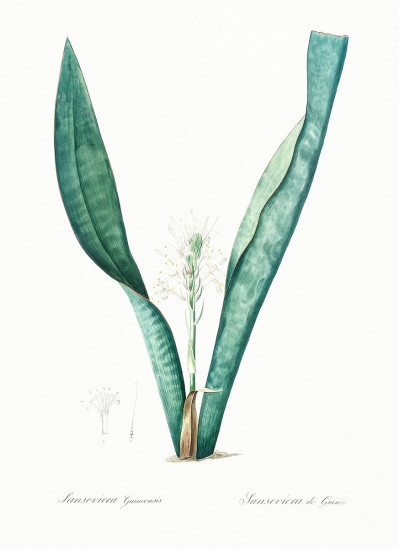
Green Sansevieria

 Garden The PlantShare Way ®
~ All About Mother-in-law's Tongue ~


Known as Dracaena trifasciata or the Snake plant, this plant is one of the most resilient and air-purifying houseplants you can grow. It’s ideal for beginners who want greenery that thrives with little effort.
One of the key benefits of Snake plant is its ability to clean indoor air. Studies show it can absorb toxins like formaldehyde and benzene while releasing oxygen at night, making it perfect for bedrooms and offices. It also tolerates neglect, dry air, and low light better than most houseplants.
However, you should know that the Snake plant poisonous properties make it mildly toxic to pets and humans if eaten. It contains saponins, which can cause nausea or vomiting in cats, dogs, and small children. While it’s safe to keep around, place it out of reach to avoid accidents.
Understanding sunlight requirements helps ensure steady growth. It adapts well to a range of conditions, from bright, indirect light to low light, but grows best in moderate sunlight. Too much direct sun can cause leaf burn, while too little light may slow its growth. A spot near a bright window with filtered light is ideal.
For those interested in Dracaena trifasciata propagation, the process is simple. You can propagate new plants by dividing the root clumps or by leaf cuttings placed in water or soil. Division is faster, while leaf cuttings take more time but produce satisfying results.
As a companion plant, Sedum hybridum offers an attractive contrast. This low-growing succulent features fleshy leaves and a spreading habit that complements the upright, architectural form of the Snake Plant. While Sedum hybridum is typically grown outdoors in rock gardens or containers, it can also thrive indoors in bright conditions. Both plants prefer well-draining soil and minimal watering, making them compatible in mixed succulent arrangements. The trailing or mat-forming growth of sedum softens the bold vertical lines of Dracaena, creating a balanced and visually interesting display.
With minimal watering, moderate light, and basic care, the Snake Plant rewards you with sculptural beauty and improved air quality. Paired thoughtfully with complementary plants like Sedum hybridum, it proves that low-maintenance greenery can be both stylish and practical.
Coming soon!
Snake plants can grow between 1 and 4 feet tall, depending on the variety and growing conditions. Some types, like Dracaena trifasciata ‘Laurentii’, stay compact, while others can reach up to 6 feet in ideal outdoor conditions.
Most Snake plants grow about 2 to 3 feet tall indoors. With enough light and proper care, they can grow taller over time. Outdoor plants in warm climates tend to reach their full height more quickly.
Snake plants come from tropical regions of West Africa, particularly Nigeria and the Congo. They naturally grow in dry, rocky soil where they’ve adapted to store water in their thick, upright leaves.
Yes, Snake plants are considered succulents. Their leaves store water, allowing them to survive long periods of drought. Like other succulents, they need well-draining soil and infrequent watering to stay healthy.
A well-cared-for Snake plant can live 10 to 25 years or even longer. With consistent watering, proper lighting, and occasional repotting, it will keep growing new shoots year after year.
Snake plants grow naturally in arid, tropical areas of Africa. In homes and gardens, they thrive in pots, indoor corners, patios, or shaded outdoor spots with good drainage.
Yes, mature Dracaena trifasciata can bloom. They produce tall flower spikes with small, fragrant white or greenish blooms, usually when slightly stressed or root-bound.
Snake plants can be grown both indoors and outdoors. Indoors, they’re popular for low-light spaces. Outdoors, they do best in warm climates where temperatures stay above 50°F (10°C).
Last updated on Aug 06, 2026
Species suggested by: Simone Feurstein, 2020
Plant Profile compiled and written by: Team PlantShare
Contributors: Team PlantShare
 Ask Us!

