




 Garden The PlantShare Way ®
~ All About Common ivy ~


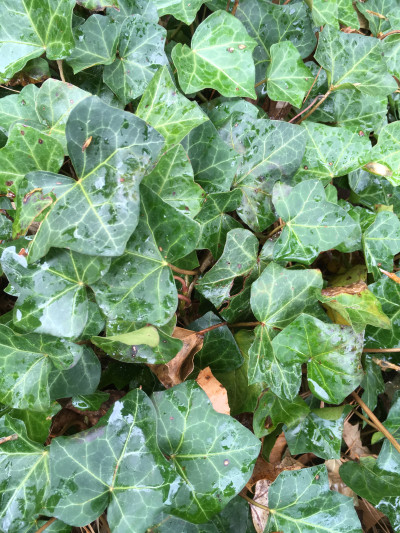
The English ivy, known botanically as Hedera helix, is a classic climbing and trailing plant admired for its lush foliage and easy adaptability. Whether you’re growing it indoors or outdoors, understanding its basic needs ensures healthy growth and lasting beauty.
Proper watering is key to success. Keep the soil consistently moist but never soggy, as overwatering can lead to root rot. Allow the top inch of soil to dry between waterings, especially if the plant is grown in containers. During winter, water less frequently since Ivy’s growth slows in cooler months.
Lighting also plays a major role in plant care. The best light requirements for Hedera helix include bright, indirect sunlight. Too much direct sun can scorch the leaves, while too little light causes leggy, pale growth. A north- or east-facing window is often ideal for indoor settings. Outdoors, it adapts well to partial shade. It can be attractively paired with Euonymus fortunei as a companion plant in landscape settings. Both are evergreen and tolerate similar light conditions, making them suitable for shaded borders or ground cover areas. Both English ivy and Euonymus fortunei trail or climb, it's a matter of where they are in their life cycle: ivy can always do both whereas Euonymus fortunei only climbs when mature and has a support. Euonymus fortunei forms a dense mat with variegated foliage, creating visual contrast and year-round interest. If you plant them together, don't ever expect to separate them!
If you wish to propagate, use Hedera helix cuttings taken from healthy vines. Place them in water or moist soil, and they’ll root within weeks, creating new plants to share or display. This makes ivy a rewarding choice for beginner gardeners experimenting with propagation.
Hedera helix is admired for its beautiful, glossy green leaves. Their leaf extract is used in herbal formulations for its natural cleansing properties. However, be aware that this plant is poisonous to humans and pets if ingested, so keep it out of reach of children and animals.
In some regions, Hedera helix is invasive, meaning it can spread aggressively and outcompete native species. Always monitor its growth outdoors and prune regularly to maintain control.
With proper attention to watering, light, and trimming, Hedera helix thrives as a vibrant, low-maintenance addition to any garden or home.
To care for English ivy indoors, give it bright, indirect light and keep the soil slightly moist but not wet. Water when the top inch of soil feels dry. Avoid placing it in strong sunlight or near heaters. Trim long vines to keep the plant neat and encourage bushier growth. Mist the leaves sometimes to increase humidity and prevent dryness.
To grow an English ivy plant, start with a cutting or small potted ivy. Use well-draining soil and a pot with holes at the bottom. Place it in a spot with soft, filtered light. Water regularly, but don’t let the roots sit in water. You can also grow ivy outdoors in shady spots or let it climb walls or fences.
English ivy grows quickly in the right conditions. Indoors, it can grow several inches each month. Outdoors, it may spread several feet a year. Warm temperatures, regular watering, and moderate light help it grow faster. Pruning helps control the speed and shape of the vines.
Yes, English ivy is an evergreen plant. It keeps its green leaves all year long, even in winter. This makes it a great choice for adding color to gardens and walls during cold seasons.
Ivy can act like a weed when it spreads too much. In gardens and forests, it sometimes grows over other plants and trees. If not trimmed or controlled, it can take over large areas. That’s why gardeners often call it invasive, even though it’s also used as a decorative plant.
Yes, English ivy is a perennial. It lives for many years and keeps growing back each season. With proper care, it can thrive indoors or outdoors for decades.
Yes, Hedera helix is toxic to cats. If a cat chews or eats the leaves, it may cause vomiting, drooling, or stomach pain. Keep Ivy plants out of reach of pets to keep them safe.
Last updated on May 31, 2026
Species suggested by: Liz S.N., 2021
Plant Profile compiled and written by: Team PlantShare
Contributors: Team PlantShare
 Ask Us!

