



 Garden The PlantShare Way ®
~ All About Common yellow woodsorrel ~

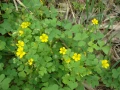
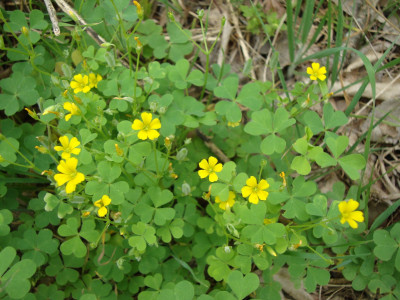
Many new gardeners are surprised to learn that the common plant often mistaken for clover is actually wood sorrel. Its heart-shaped leaves and tiny yellow blooms give it a delicate look, but it is also a resilient species that appears in lawns, gardens, and even sidewalk cracks. If you’ve ever wondered about weeds that look like clover, chances are you’ve already seen wood sorrel (scientifically named as Oxalis stricta) growing nearby.
One of the most interesting facts is that wood sorrel is edible plant. The leaves have a tangy, lemon-like flavor due to oxalic acid, which is safe in small amounts. Foragers often add it to salads or chew a few leaves on hikes for a refreshing taste. However, moderation is key since high amounts of oxalic acid are not healthy.
There are also notable benefits beyond its flavor. Historically, people have used it in teas to cool fevers and as a source of vitamin C. In the garden, its presence can indicate soil that stays moist and shaded, helping you understand the conditions in your yard. Some gardeners even allow a small patch to remain because it attracts pollinators with its delicate flowers.
When not mowed, wood sorrel coexists well with shade- and moisture-loving ornamentals. A good companion plant is Astilbe chinensis, which thrives in similar conditions such as consistently moist soil and partial shade. While Astilbe offers tall, feathery plumes of colorful flowers, wood sorrel acts as a low-growing ground layer, helping cover bare soil and retain moisture. Together, they create a natural, layered look in woodland-style gardens.
Whether you see it as a nuisance or a natural snack, wood sorrel has value. By learning to identify it correctly and understanding how it fits alongside plants like Astilbe chinensis, you’ll not only manage your garden better but also discover how this humble plant can be both useful and surprisingly adaptable.
Oxalis is a genus of plants often called wood sorrel. It has clover-like leaves and small flowers, usually yellow, pink, or white. Some species are grown as ornamentals, but many spread quickly and act like weeds.
To control Oxalis, pull it out by hand before it sets seed, making sure to remove the whole root. Mulching garden beds also helps block new seedlings.
Yellow wood sorrel spreads by seed and underground roots. To remove it, mow regularly, keep your lawn thick and healthy, and spot-treat patches with a lawn-safe herbicide. Preventing bare spots makes it harder for the weed to return.
Yes, the plant called sour grass (a type of Oxalis) is edible in small amounts. Its tangy taste comes from oxalic acid. However, eating too much can be harmful, so it’s best used sparingly as a garnish, colorful addition to salad, or trail snack.
Last updated on May 31, 2026
Species suggested by: Patricia Ross, 2021
Plant Profile compiled and written by: Team PlantShare
Contributors: Team PlantShare
 Ask Us!

