



 Garden The PlantShare Way ®
~ All About Bigleaf hydrangea ~


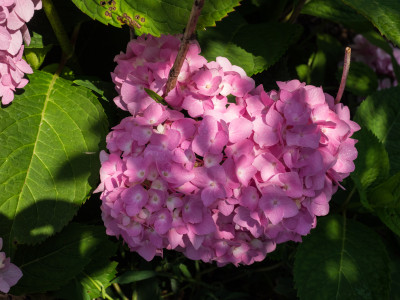
Hydrangea macrophylla, known for its large, showy blooms, is a favorite for both beginner and experienced gardeners. Understanding the care of Hydrangea macrophylla is essential for keeping this plant healthy and vibrant. It thrives in well-drained, fertile soil and prefers partial shade, though it can tolerate morning sun. Regular watering is key, especially during hot, dry periods, to maintain lush foliage and abundant flowers. Mulching around the base helps retain moisture and regulate soil temperature.
When planting Hydrangea macrophylla, choose a location protected from strong winds and harsh afternoon sun. Dig a hole twice as wide as the root ball and backfill with enriched soil, making sure the plant sits at the same depth as it did in the pot. Space multiple plants adequately to allow airflow and reduce disease risk.
Gardeners can explore many Hydrangea macrophylla varieties, ranging from classic mophead types to lacecap forms, each offering unique flower shapes and colors. Knowing your variety helps tailor care, especially regarding pruning and bloom timing. For pruning, remove dead or weak stems after flowering, and cut selectively to shape the plant. Avoid heavy pruning in late fall or winter, as this can reduce blooms the following season.
For gardeners interested in expansion, Hydrangea macrophylla propagation is straightforward through softwood cuttings taken in late spring or early summer. Rooting hormone and consistent moisture improve success rates.
Be aware that this variety is poisonous, particularly in the leaves and buds, which contain compounds that can cause mild gastrointestinal upset if ingested. Keep pets and children away from plant material.
As a companion plant, Brunnera macrophylla is an excellent choice. Its heart-shaped leaves and delicate blue spring flowers complement the bold blooms and broad foliage of hydrangeas beautifully. Both plants prefer partial shade and moist, fertile soil, making them naturally compatible in woodland-style gardens or shaded borders. Brunnera provides attractive ground-level coverage, helping suppress weeds and maintain soil moisture around hydrangea roots.
Together, Hydrangea macrophylla and Brunnera macrophylla create a balanced, layered planting with contrasting textures and extended seasonal interest. This pairing offers visual harmony, low maintenance needs, and reliable performance, making it ideal for gardeners seeking a lush, cohesive garden design.
Hydrangea macrophylla typically grows between 3 and 6 feet (0.9–1.8 meters) tall, with a similar spread. Some varieties, especially older or well-established plants, can reach slightly taller heights. The size depends on the variety, growing conditions, and how often it is pruned.
Caring for Hydrangea macrophylla involves providing consistent moisture and well-drained soil. Water deeply during dry spells and mulch around the base to retain moisture and keep roots cool. Partial shade is ideal, though morning sun is fine. Remove dead or damaged stems after flowering, and prune lightly to maintain shape. Avoid heavy pruning in late fall or winter, as it can reduce blooms the next season.
Choose a location with partial shade and protection from strong winds. The soil should be rich, fertile, and well-drained. Planting near a building or under taller shrubs can provide extra shelter from harsh afternoon sun or cold drafts. Ensure enough space around the plant to allow air circulation and healthy growth.
Use a balanced, slow-release fertilizer formulated for flowering shrubs. Fertilizers with a higher phosphorus content (the middle number on the label) help encourage strong blooms. Apply in early spring and again after the first round of flowers fades, following the package instructions to avoid over-fertilizing.
To protect from frost, cover the plant with a frost cloth or lightweight blanket when temperatures drop below freezing. Mulching heavily around the base insulates roots, and planting in a sheltered area reduces exposure. For extreme cold, you can wrap the whole plant with burlap or create a temporary protective frame to shield it overnight.
Last updated on May 31, 2026
Species suggested by: Dina Russell, 2021
Plant Profile compiled and written by: Team PlantShare
Contributors: Team PlantShare & Dina Russell
 Ask Us!