



 Garden The PlantShare Way ®
~ All About Mountain hydrangea ~


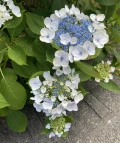
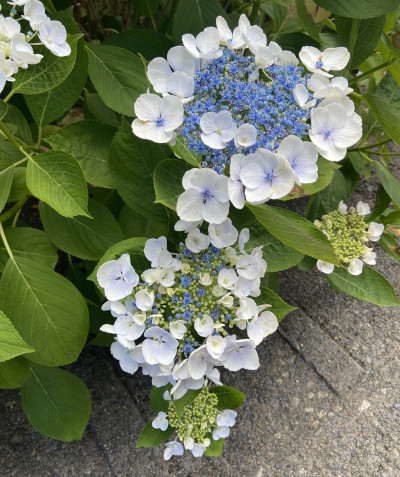
Hydrangea serrata is a delicate and elegant variety of hydrangea prized for its lacecap blooms and refined foliage. This variety thrives in well-drained, fertile soil and prefers partial shade, although it can handle morning sun. Regular watering is essential to keep the soil consistently moist, especially during hot or dry periods. Mulching around the base helps retain moisture, protects roots, and keeps the plant looking healthy throughout the growing season.
Proper Hydrangea serrata care begins with choosing the right planting location. Pick a sheltered area protected from strong winds and harsh afternoon sun. Dig a hole twice the width of the root ball, position the plant at the same depth as it was in the container, and backfill with enriched soil. Provide enough space between plants to ensure airflow and reduce the risk of disease.
Fertilizing supports healthy growth and vibrant blooms. A balanced, slow-release fertilizer applied in early spring, and again after flowering, encourages strong stems and colorful flowers. For best results, avoid fertilizing late in the season, as this can produce tender new growth susceptible to frost.
Pruning Hydrangea serrata should be done lightly after flowering. Remove dead or weak stems and shape the plant carefully without cutting back too much, since blooms form on old wood. This ensures next year’s flowers remain abundant.
Propagation is possible through softwood cuttings taken in late spring or early summer. Using rooting hormone and keeping the soil evenly moist improves success. While generally hardy, Serrata varieties benefit from protection against extreme cold, such as mulching or temporary frost covers during harsh winters.
As a companion plant, Rhododendron indicum pairs beautifully with mountain hydrangeas. Both plants enjoy similar conditions, partial shade, acidic, well-drained soil, and consistent moisture, making them naturally compatible. Rhododendron indicum adds evergreen structure and vivid spring blooms that complement the softer, lace-like flowers of Hydrangea serrata. Together, they create a layered, woodland-style planting that offers seasonal color, texture, and long-lasting garden interest with minimal extra maintenance.
Hydrangea serrata typically reaches 3 to 5 feet (0.9–1.5 meters) in height, with a similar spread. Its size is generally smaller and more compact than standard Macrophylla varieties, making it suitable for smaller garden spaces or container planting.
Caring for Serrata hydrangeas involves keeping the soil consistently moist but well-drained. Water deeply during dry spells and mulch around the base to retain moisture and suppress weeds. Partial shade is ideal, with protection from harsh afternoon sun. Light pruning after flowering removes dead or weak stems and helps shape the plant without reducing blooms for the next year. Fertilize in early spring and again after the first flowering cycle with a balanced, slow-release fertilizer.
The best time to plant is in spring or early fall when temperatures are mild. This allows the roots to establish before the stresses of summer heat or winter cold. Avoid planting during extreme heat or freezing periods, as the plant may struggle to adapt.
Choose a location with partial shade, ideally receiving morning sun and afternoon shade. The soil should be rich, fertile, and well-drained. Planting near a wall or taller shrubs can provide protection from strong winds and harsh sun. Ensure enough spacing between plants for proper airflow to reduce disease risk and allow healthy growth.
Last updated on Sep 18, 2026
Species suggested by: Dina Russell, 2021
Plant Profile compiled and written by: Team PlantShare
Contributors: Team PlantShare
 Ask Us!

