




 Garden The PlantShare Way ®
~ All About Dwarf crested iris ~


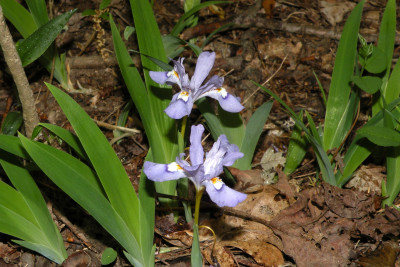
If you’re looking to add charm to shaded areas in your garden, Iris cristata is an excellent choice. This low-growing, spreading perennial produces delicate blue-violet flowers in early spring, creating a carpet-like effect that brightens woodland corners or shaded borders. Its compact size and early blooms make it a favorite among gardeners seeking subtle elegance without demanding upkeep.
Understanding Iris cristata care is key to maintaining healthy plants and encouraging vibrant blooms each year. These irises thrive in partial to full shade and prefer rich, well-drained soil with consistent moisture. Avoid overly wet conditions, as soggy soil can cause rhizome rot. Mulching around the plants helps retain moisture, suppress weeds, and protect the shallow root system during winter.
It pairs beautifully with Trillium ovatum as a companion plant. Both species flourish in woodland settings with dappled shade and humus-rich soil. Trillium ovatum’s elegant three-petaled white flowers, which often fade to pink, complement the blue-violet blooms of Iris cristata, creating a layered and natural-looking spring display. Their similar moisture and light needs make them easy to grow together in shaded beds or under trees.
To promote prolific flowering, remove spent blooms promptly and consider lightly fertilizing in early spring with a balanced, slow-release fertilizer. Iris cristata care also includes periodic division of rhizomes, usually every two to three years. Dividing prevents overcrowding, rejuvenates older clumps, and encourages stronger, more abundant flowers. When replanting, space divisions several inches apart to allow room for growth and air circulation.
Pests are generally minimal, but deer and rabbits may occasionally browse the foliage. Planting in clusters or near less palatable companion plants can help reduce grazing. Additionally, controlling invasive weeds around the irises ensures they do not compete for nutrients or sunlight.
With proper plant care, this charming woodland iris can become a reliable, low-maintenance feature in your garden. Its early spring blooms, combined with lush green foliage, make it a standout under trees, along walkways, or in shaded garden beds. By paying attention to soil, moisture, and occasional division, even beginner gardeners can enjoy the graceful beauty of Iris cristata year after year.
Iris cristata usually blooms in mid-spring. The flowers show up for about one to two weeks. Each individual bloom is short-lived, but new buds can open over several days, giving the plant a bit more overall color.
Deer usually leave this plant alone, so it’s considered fairly deer-resistant. It also doesn’t have many serious pest issues. Slugs, snails, or occasional leaf spots can show up, but they rarely cause real damage.
Give the plant bright, filtered light, and keep the soil evenly moist but not soggy. A thin layer of compost in early spring helps with energy for flowering. Avoid piling mulch over the rhizomes, because they bloom better when the tops get some air and light. Dividing crowded clumps also boosts bloom production.
It spreads at a moderate pace through shallow rhizomes. It won’t take over fast, but it can form a carpet over time. To manage the size, simply trim the edges of the patch or dig up sections you don’t want.
Yes. Divide clumps every three to four years, or anytime you notice fewer flowers. The best time is late summer to early fall. Lift the rhizomes, trim away weak pieces, and replant the healthy sections at the same depth.
Last updated on May 31, 2026
Species suggested by: Dina Russell, 2022
Plant Profile compiled and written by: Team PlantShare
Contributors: Team PlantShare
 Ask Us!