


Yellow Tubular Curcurbita

 Garden The PlantShare Way ®
~ All About Acorn Squash ~


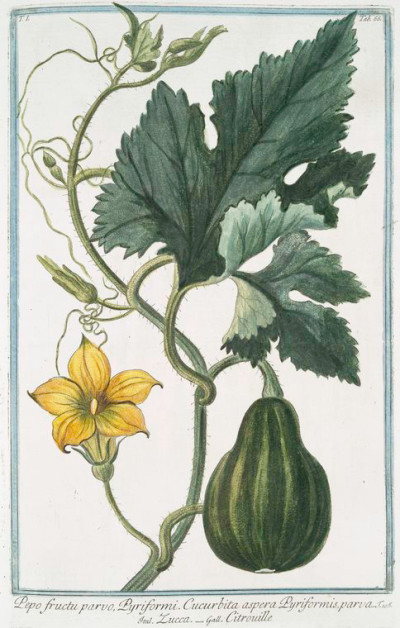
The Cucurbita pepo origin can be traced to the Americas, where this versatile plant has been cultivated for thousands of years. Belonging to the squash family, Cucurbita pepo includes familiar varieties such as pumpkins, zucchinis, and certain types of gourds. Early farmers valued it not only for its edible flesh but also for its nutritious seeds, which remain an important food source today.
One of the most notable products derived from this plant is Cucurbita pepo oil. Extracted from the seeds, this dark green oil is rich in essential fatty acids, antioxidants, and vitamins. Gardeners and health-conscious cooks alike appreciate it for its nutty flavor and its ability to support heart health. Beyond the kitchen, it is also used in natural remedies and skincare products.
When exploring Cucurbita pepo medicinal uses, it’s easy to see why it has been valued across cultures. The seeds are known for supporting urinary tract health, particularly in men. They also provide a natural source of zinc, which contributes to immune strength and overall well-being. Herbal traditions often recommend the oil and seeds as gentle, plant-based options for long-term wellness.
For those who enjoy cooking, there are countless recipes to explore. Zucchini can be grilled, baked, or spiralized into noodles. Pumpkins can be roasted, pureed into soups, or baked into pies. Even the seeds can be toasted with spices for a healthy snack. By experimenting with different parts of the plant, beginners quickly discover its culinary versatility.
Companion planting can enhance growth and improve garden efficiency. Cucurbita moschata, which includes butternut squash and related varieties, makes a compatible companion when grown nearby. While both plants require similar conditions, full sun, rich soil, and regular watering, Cucurbita moschata is generally more resistant to pests such as squash vine borers. Growing the two together can help diversify your harvest, reduce overall pest pressure, and improve pollination thanks to their abundant flowers attracting bees.
Cultivating Cucurbita pepo in your garden is straightforward. With well-drained soil, full sun, and regular watering, this plant rewards you with abundant harvests. From its ancient roots to modern kitchens, Cucurbita pepo continues to enrich gardens, diets, and health practices around the world.
Cucurbita pepo, which includes zucchini and pumpkins, grows best in rich, well-drained soil. It prefers loamy soil with plenty of organic matter and a slightly acidic to neutral pH (6.0–7.0).
These plants need a lot of room. Bush varieties need about 3 to 4 feet between plants, while vining types can spread 6 to 10 feet or more.
Cucurbita pepo is usually grown outdoors because it needs lots of sun and space. It can be started indoors in pots for transplanting, but it is not practical to keep it indoors long-term.
Yes, the flowers are edible and often used in cooking. Squash blossoms can be stuffed, fried, or added to soups and salads for a mild, slightly sweet flavor.
Last updated on May 31, 2026
Species suggested by: Dina Russell, 2020
Plant Profile compiled and written by: Team PlantShare
Contributors: Team PlantShare
 Ask Us!

