



 Garden The PlantShare Way ®
~ All About Bigleaf lupine ~


Lupinus polyphyllus, commonly known as lupine, is a striking perennial that adds vertical interest and vibrant color to gardens. With proper planning and care, lupine plants can provide years of enjoyment with minimal effort. Their tall flower spikes create dramatic accents in borders, cottage gardens, and pollinator-friendly landscapes.
Choosing the right soil is essential for healthy growth. Lupines prefer well-draining, slightly acidic to neutral soil. Avoid heavy clay or waterlogged areas, as poor drainage can quickly lead to root rot. Adding organic matter improves soil structure and helps retain enough moisture to support strong roots while still allowing proper drainage.
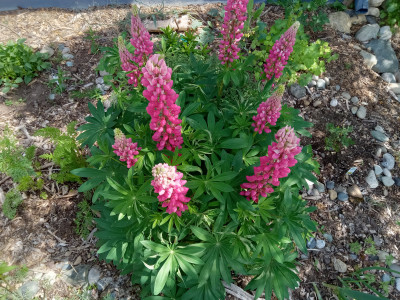
Gardeners can choose from many lupine varieties, ranging from classic blue and purple tones to soft pink, white, and yellow blooms. Planting different varieties can extend the bloom period and create a lively, colorful display throughout late spring and early summer. However, in some regions certain lupine species can spread aggressively, so it is wise to check local guidelines before planting to prevent unwanted invasiveness.
Another important consideration is that all parts of the plant contain toxic compounds. While lupine is poisonous if ingested by humans or pets, the plant remains highly valuable for pollinator gardens. Its nectar-rich flowers attract bees, butterflies, and other beneficial insects, helping support a healthy garden ecosystem.
Routine care is relatively simple. Lupines benefit from moderate watering during dry periods, especially when plants are young. Deadheading faded flower spikes may encourage additional blooming, and cutting back the foliage after the growing season helps keep plants tidy. Fertilization is rarely necessary because lupines naturally fix nitrogen in the soil, enriching it for surrounding plants.
A beautiful companion for lupines is Papaver orientale, commonly known as the oriental poppy. This perennial blooms around the same time as lupines, producing large, vivid flowers in shades of red, orange, pink, or white. The bold, papery blooms contrast beautifully with the tall spires of lupine flowers, creating a dramatic visual combination in garden borders. Oriental poppies also thrive in similar conditions: sunny locations with well-draining soil, making them easy partners in mixed perennial beds. Together, these plants create a colorful, textured display that attracts pollinators and adds seasonal excitement to the garden.
Yes, Lupines can spread, but mainly through seeds. Some varieties form clumps that slowly expand over time. They do not aggressively take over like invasive plants, but in ideal conditions, seedlings can pop up around the parent plant.
Most garden Lupines grow between 2 and 4 feet (60–120 cm) tall. Some taller varieties can reach up to 5 feet (150 cm), while dwarf types stay under 1–2 feet.
Garden Lupines (Lupinus polyphyllus) are perennials, meaning they live for several years. They usually bloom in late spring to early summer and can return each year if the roots are healthy. Some Lupine species are annuals, but polyphyllus is perennial.
Lupines form clumps about 1–2 feet (30–60 cm) wide, depending on variety and growing conditions. The flower spikes are taller than the foliage, giving the plant a vertical, showy appearance.
Last updated on Jun 05, 2026
Species suggested by: Maria Jacob, 2023
Plant Profile compiled and written by: Team PlantShare
Contributors: Team PlantShare & Maria Jacob
 Ask Us!

