



 Garden The PlantShare Way ®

~ All About White Cabbage ~


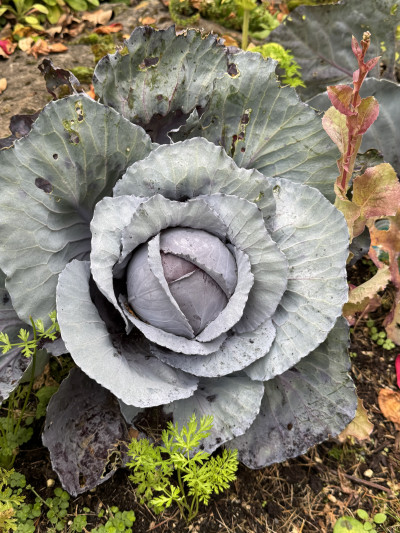
If you’re new to gardening, few vegetables are as rewarding to grow as Brassica oleracea var. capitata, commonly known as Cabbage. This cool-season crop is both nutritious and adaptable, making it a staple in many home gardens. With the right conditions and care, you can enjoy crisp, flavorful heads that store well and enhance countless recipes.
Start by choosing a sunny location with well-drained, fertile soil. Brassica oleracea var. capitata thrives in slightly acidic to neutral soil (pH 6.0–7.5). Enrich the bed with compost or aged manure before planting to ensure strong root development. Sow seeds indoors about six to eight weeks before your last expected frost, or plant transplants directly into the garden once the soil has warmed slightly.
Consistent watering is key. Cabbage requires steady moisture to form firm heads, so aim to keep the soil evenly moist but never soggy. Mulching around the base helps retain moisture and keeps weeds under control. Because Brassica oleracea var. capitata is a heavy feeder, use a balanced fertilizer during its growing season to maintain lush, green growth. It also benefits from companion planting with herbs such as Thymus vulgaris. Thyme attracts beneficial pollinators and may discourage common cabbage pests. Planting these aromatic herbs nearby not only supports plant health but also adds fragrance and diversity to your garden bed.
Watch for common pests like cabbage worms and aphids. Floating row covers or regular inspections can prevent serious damage. Rotate crops each year to avoid soil-borne diseases and maintain plant health.
Harvest when the heads feel firm and reach the desired size. Cut them at the base with a sharp knife, leaving a few outer leaves to protect the core. Properly stored in a cool, dry place, Brassica oleracea var. capitata can last for weeks.
Growing your own Cabbage is simple once you understand its needs. With patience and attention, Brassica oleracea var. capitata will reward you with a fresh, delicious harvest that celebrates the joy of gardening.
When planting Brassica oleracea var. capitata, space each plant about 12 to 18 inches apart in rows that are 24 to 36 inches wide. This gives the Cabbages enough room to grow large, firm heads without crowding each other. Good spacing also improves airflow, which helps prevent diseases and keeps the leaves healthy.
A Cabbage is ready to harvest when the head feels solid and firm when gently squeezed. If it still feels loose or soft, give it more time to tighten. Most varieties of Brassica oleracea var. capitata reach full maturity about 70 to 100 days after planting. Don’t wait too long after it firms up, or the head may split, especially after heavy rain.
To protect your Cabbage from pests, use fine mesh or floating row covers to block insects from reaching the plants. Check the undersides of leaves regularly for eggs or small worms and remove them by hand if you see any. For aphids, spray the leaves with a mix of water and mild soap or use insecticidal soap. Keeping the garden clean and rotating crops each season also helps reduce pest problems for Brassica oleracea var. capitata.
Water your Cabbage plants deeply about one to two times per week, depending on the weather and soil type. The goal is to keep the soil evenly moist but not soggy. Brassica oleracea var. capitata needs steady moisture for firm, healthy heads, so don’t let the soil dry out between waterings. Mulching helps the soil retain moisture longer.
Last updated on Aug 18, 2026
Species suggested by: Dina Russell, 2025
Plant Profile compiled and written by: Team PlantShare
Contributors: Team PlantShare
 Ask Us!