



 Garden The PlantShare Way ®
~ All About Prayer Plant ~


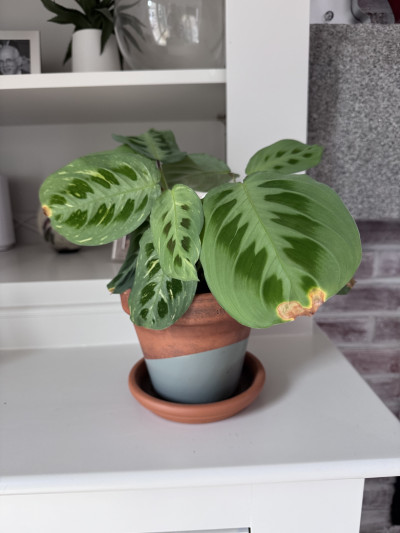
Maranta leuconeura, commonly known as the Prayer Plant, is a popular tropical houseplant valued for its colorful foliage and fascinating leaf movement. During the day, the leaves lie flat to capture light, and at night they fold upward, giving the plant its well-known common name. Its attractive appearance and manageable care requirements make Maranta leuconeura an excellent choice for beginners.
One of the keys to successfully growing Maranta leuconeura is providing the right light. This plant thrives in bright, indirect sunlight and prefers protection from harsh direct rays. Too much sun can fade the leaf patterns and cause scorching, while insufficient light may slow growth and reduce the intensity of its colors.
Watering plays an important role in maintaining healthy foliage. Keep the soil evenly moist but not waterlogged. Allow the top layer of soil to dry slightly between waterings, then water thoroughly. Consistent moisture helps prevent leaf curling and brown edges, which can occur when the plant becomes too dry.
A loose, well-draining potting mix rich in organic matter works best for Maranta leuconeura. The plant also appreciates moderate to high humidity, making it well suited for kitchens, bathrooms, or rooms with a humidifier. Maintaining temperatures between 65°F and 80°F (18°C–27°C) supports steady growth throughout the year.
Propagation is simple and typically done through division. When repotting, carefully separate healthy sections of the root system and plant them in individual containers. This method allows gardeners to create new plants while refreshing mature specimens.
As a companion plant, Philodendron hederaceum pairs well with Maranta leuconeura. Both plants thrive in bright, indirect light, enjoy moderate to high humidity, and prefer loose, well-draining soil that remains evenly moist but not waterlogged. They also grow best in warm indoor temperatures, making them well suited for the same rooms or grouped indoor plant displays. In this pairing, Maranta is a ground cover underneath the more upright Philodendron hederaceum.
Although Maranta leuconeura grows more slowly than some common houseplants, it rewards growers with beautifully patterned leaves, darling purple flowers that have their own interesting behaviors and year-round visual interest. With proper light, regular watering, and suitable humidity, this tropical plant remains healthy and vibrant for many years. Its unique foliage and distinctive leaf movements make it a standout addition to indoor plant collections.
This is a natural behavior called nyctinasty. Maranta leuconeura raises its leaves in the evening and lowers them again during the day in response to changes in light. Healthy prayer plants do this regularly, so it is usually a behavior that tells you that the plant is 'happy' and healthy.
Prayer plants prefer humidity levels of at least 50–60%, but they grow best when humidity is around 60–70% or higher. Dry indoor air can cause leaf damage, especially during winter when heating systems are running. Placing a tray of rocks under the pot and keeping those rocks wet is easy to do and will increase the humidty around the plant.
Afternoon drooping can happen if the plant is too dry, too warm, or receiving too much light. Check the soil moisture and make sure the plant is not sitting in direct sunlight. Temporary drooping during very warm parts of the day is common, but persistent drooping usually means the plant needs an adjustment in care.
Brown, crispy edges are often caused by low humidity, underwatering, or mineral buildup from tap water. Prayer plants can be sensitive to salts and chemicals in water. Using filtered, distilled, or rainwater and maintaining higher humidity often helps prevent this problem. Also check that the soil is not staying completely dry for long periods.
Last updated on Jul 14, 2026
Species suggested by: Dina Russell, 2026
Plant Profile compiled and written by: Team PlantShare
Contributors: Team PlantShare
 Ask Us!

