




 Garden The PlantShare Way ®
~ All About Evergreen candytuft ~


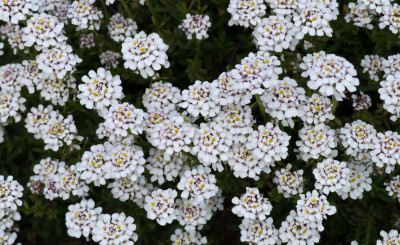
Candytuft (Iberis sempervirens) is a low-growing, evergreen perennial prized for its dense foliage and bright white flowers in spring. It’s an excellent choice for filling gaps in rock gardens, borders, or slopes, creating a soft carpet of color. Understanding Iberis sempervirens care and proper planting techniques ensures long-lasting beauty and a healthy, thriving plant.
To grow Iberis sempervirens, select a sunny location with well-draining soil. While it tolerates a range of soil types, slightly alkaline or neutral soil encourages the best flowering. Avoid waterlogged areas, as excess moisture can lead to root rot. Regular deadheading after the blooming period extends the flowering season and maintains a neat appearance. It also works exceptionally well as a ground cover, forming a dense, attractive carpet of blooms.
For gardeners seeking complementary ground covers, Phlox subulata (creeping phlox) pairs beautifully with Iberis sempervirens. Both plants share similar needs for full sun and excellent drainage, making them ideal companions in rock gardens and along slopes. While Iberis sempervirens provides crisp white blooms, Phlox subulata adds a vibrant splash of color in shades of pink, purple, blue, or white earlier in the spring. Its needle-like foliage and spreading habit create a layered, textured effect when planted alongside candytuft.
Propagating Iberis sempervirens is simple and effective. Take softwood cuttings in late spring or early summer and root them in a moist, well-draining medium. Hardwood cuttings can also be taken in late fall. Additionally, older plants can be divided after flowering to produce new plants while rejuvenating the original clump.
With consistent care, Iberis sempervirens establishes quickly, offering a long-lasting display of foliage and flowers. Its adaptability, low-maintenance requirements, and attractive blooms make it ideal for beginners and experienced gardeners alike. By providing proper sun exposure, drainage, and occasional pruning, gardeners can enjoy a vibrant, flourishing candytuft bed year after year.
Yes, candytuft is a perennial plant. With proper care, it returns year after year, producing dense foliage and bright blooms each spring.
Yes, candytuft is generally deer resistant. Its slightly bitter foliage and strong scent tend to discourage deer from eating it.
Candytuft spreads slowly over time, forming a low-growing, dense mat. While it isn’t aggressively invasive, it can fill gaps and create a solid ground cover if left undisturbed.
Candytuft blooms in spring, usually from April to May. Its bright white flowers provide a striking contrast against green foliage and can last several weeks with proper deadheading.
Yes, candytuft is evergreen in most climates. Its foliage stays green throughout the year, providing year-round structure and color in the garden, even when not in bloom.
Last updated on Jun 17, 2026
Species suggested by: Dina Russell, 2020
Plant Profile compiled and written by: Team PlantShare
Contributors: Team PlantShare
 Ask Us!

