


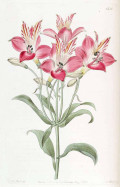
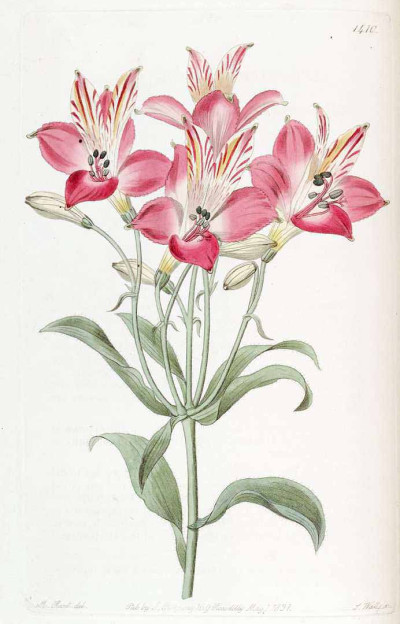
Pink Alstroemeria

 Garden The PlantShare Way ®
~ All About Peruvian Lily ~

Alstroemeria hybrida, also known as the Peruvian Lily, is a vibrant perennial that brings long-lasting color and elegance to garden beds and borders. With the right plant care, it rewards even beginner gardeners with reliable blooms and healthy growth. This plant thrives in rich, well-draining soil and performs best in full sun to partial shade. Regular watering and a layer of mulch help maintain consistent moisture, which supports strong stems and extended flowering.
When considering Alstroemeria hybrida growing conditions, choose a spot sheltered from strong winds and extreme heat or cold. Moderate climates suit it best, especially when soil contains plenty of organic matter. Instead of cutting spent flowers, gently pulling the entire stem from the base encourages new shoots and prolongs the blooming period.
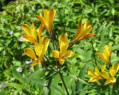
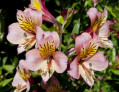
One reason gardeners love growing Alstroemeria is its impressive bloom time. Flowers usually appear from late spring through summer, with some varieties continuing into early fall. The colorful, lightly patterned blooms work beautifully in cut flower arrangements and also attract pollinators to the garden.
In mixed borders, Agapanthus africanus makes a strong companion plant. Its tall stems and rounded flower clusters add height and structure, contrasting nicely with the softer, arching form of Alstroemeria. Both plants enjoy similar light, soil, and watering conditions, which makes maintenance simple.
For partially shaded areas, Polygonatum odoratum is another excellent companion. Its graceful, arching stems and spring flowers complement Alstroemeria’s summer blooms, creating seasonal interest and visual balance while thriving in similar soil conditions.
Propagation remains straightforward through division in early spring or fall. Each division should include healthy roots and several shoots. These plants grow best in USDA zones 7–10, though colder regions can grow them in containers with winter protection.
With consistent Alstroemeria hybrida plant care and thoughtful companion planting, this perennial delivers vivid color, structure, and elegance throughout the growing season.
Alstroemeria hybrida grows best in well-draining soil with plenty of organic matter. Plant in full sun to partial shade, water regularly, and mulch to retain moisture. Provide support for taller stems if needed.
Yes, Alstroemeria hybrida is a perennial. It comes back year after year from its underground rhizomes, producing vibrant blooms during the growing season.
You can propagate Alstroemeria from stem cuttings. Take healthy shoots in spring or early summer, remove the lower leaves, and place them in moist soil or water until roots form.
Alstroemeria hybrida care involves regular watering, well-draining soil, and feeding with balanced fertilizer during the growing season. Remove spent flowers to encourage more blooms and cut back foliage in late fall.
Yes, Alstroemeria is generally deer resistant. Deer tend to avoid its slightly bitter foliage, making it a safe choice for gardens with wildlife.
Yes, Alstroemeria poisonous compounds can cause mild irritation if ingested or handled excessively. Keep away from pets and small children.
Plant Alstroemeria hybrida in spring after the last frost or in early fall in mild climates. Ensure the soil is warm and well-prepared for the best growth.
Alstroemeria grows naturally in South America, especially Chile and Peru, and thrives in temperate regions worldwide with proper care.
No, Alstroemeria flowers are not considered edible. They are ornamental only and should not be consumed.
Most Alstroemeria hybrida varieties have little to no fragrance. Their appeal lies in bright, long-lasting blooms rather than scent.
Last updated on Aug 02, 2026
Species suggested by: Dina Russell, 2020
Plant Profile compiled and written by: Team PlantShare
Contributors: Team PlantShare
 Ask Us!