



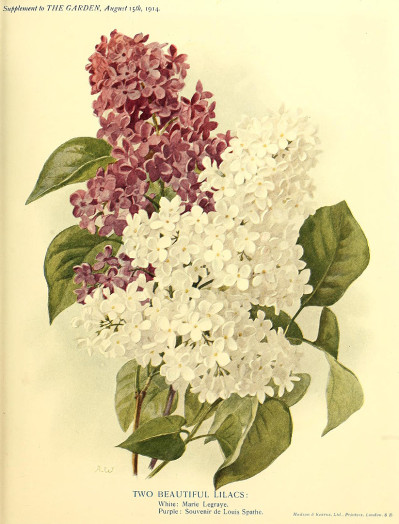
White Syringa

 Garden The PlantShare Way ®
~ All About Common lilac ~


Lilacs, scientifically named as Syringa vulgaris, are beloved for their fragrant clusters of flowers and classic garden charm. With proper plant care, these shrubs can thrive for decades, rewarding you with reliable spring color and sweet scent.
The typical Lilac blooming time is in late spring, usually May, though exact timing depends on your climate and variety. For gardeners wondering about climate suitability, Lilacs grow best in USDA growing zone 3 through 7. Many varieties are also hardy in colder areas, making them well-suited for USDA hardiness zone 2. Warm southern climates can be challenging, but selecting heat-tolerant hybrids may help.
When planting Syringa vulgaris, choose a spot with at least six hours of direct sunlight each day. Syringa vulgaris need well-drained soil and good air circulation to reduce the risk of mildew. Consistent watering during the first year encourages strong root growth. Mature plants are drought-tolerant but still benefit from deep watering during long dry periods. Routine care includes mulching, occasional feeding with balanced fertilizer, and removing suckers to keep shrubs tidy.
Proper Syringa vulgaris pruning is key to keeping shrubs healthy and blooming well. Prune right after flowering by cutting back spent flower heads and thinning older branches. Avoid late-summer or fall pruning, as this removes buds for the next season. For those looking to expand their collection, propagation can be done by taking softwood cuttings in early summer or by dividing suckers that sprout naturally around the base.
As a companion plant, Paeonia lactiflora pairs beautifully with Syringa vulgaris. These herbaceous peonies thrive in similar conditions, preferring full sun and well-drained soil, which makes them easy to grow together. Peonies bloom slightly later than Lilacs, helping to extend the spring display with large, showy flowers after Lilac blooms begin to fade. Their dense foliage also provides visual interest through summer, complementing the structure of Lilac shrubs without competing aggressively for nutrients.
With the right site selection, proper planting, and timely care, Syringa vulgaris reward gardeners with beautiful blooms, resilience, and lasting fragrance. Whether you’re starting fresh or rejuvenating old shrubs, Syringa vulgaris remain one of the most rewarding landscape plants for beginners and experts alike.
No, Lilacs are not considered poisonous. They are safe for people, dogs, and cats, though they are not meant to be eaten as food.
Lilacs grow in regions with cold winters and mild summers. They are widely planted in North America, Europe, and Asia, thriving in sunny spots with well-drained soil.
Most Lilac shrubs reach 8 to 15 feet in height and width. Some compact varieties grow only a few feet tall, while tree-like forms can reach 20 feet.
Lilac bushes are long-lived. With proper care, they can thrive for 50 years or more, and some old Lilacs are known to live for over a century.
Last updated on May 31, 2026
Species suggested by: Susan Lapidus, 2020
Plant Profile compiled and written by: Team PlantShare
Contributors: Team PlantShare
 Ask Us!

