




 Garden The PlantShare Way ®

~ All About Chinese peony ~


Paeonia lactiflora, commonly known as the garden peony, stands out as one of the most reliable and rewarding perennial flowers for beginner gardeners. This long-lived plant offers dramatic blooms, strong structure, and low maintenance, which makes it a smart choice for gardeners who want beauty without constant effort.
Paeonia lactiflora grows best in full sun to light partial shade and prefers well-drained soil enriched with organic matter. Choose the planting site carefully, since peonies perform best when left undisturbed. Plant the roots shallowly, with the eyes set one to two inches below the soil surface, to encourage consistent flowering.
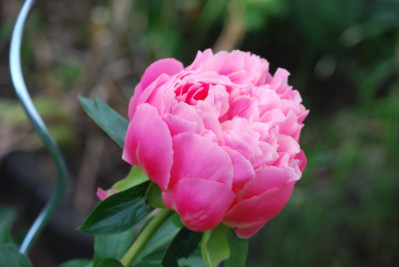
From late spring to early summer, Paeonia lactiflora produces large, fragrant flowers in shades of white, blush pink, rose, and deep red. The glossy green foliage remains attractive through the growing season, adding visual interest even after blooms fade.
Water Paeonia lactiflora regularly during its first year to establish deep roots. Mature plants tolerate short dry spells and require minimal care. Apply a balanced fertilizer in early spring and mulch lightly. Avoid excessive feeding, which can reduce flower production.
As a companion plant, Ajuga reptans works exceptionally well alongside peonies. This low-growing perennial spreads gently to form a dense ground cover, which helps suppress weeds and retain soil moisture around peony roots. Its deep green, bronze, or purple foliage creates strong contrast with peony leaves, while its blue flower spikes bloom in spring just before peonies reach their peak. Ajuga reptans thrives in similar soil conditions and tolerates partial shade, making it an ideal, low-maintenance partner that enhances both garden health and visual appeal.
Peonies pair well with plants that won’t compete for nutrients but will complement their blooms. Good companions include irises, catmint, salvia, alliums, and daylilies. Low-growing groundcovers can also hide fading foliage after flowering.
Cut peonies back in late fall after the leaves have yellowed or been touched by frost. Remove all stems to ground level to prevent diseases from overwintering.
Yes, you can grow peonies in large pots. Choose a container at least 18–20 inches wide with good drainage. Use rich, well-draining soil and keep the pot in full sun. Potted peonies may need more frequent watering and fertilizing.
Peonies usually bloom in late spring to early summer, depending on the variety and climate. Early, midseason, and late-blooming cultivars can extend the flowering season for several weeks.
Plant peony roots so the eyes (buds) sit only 1–2 inches below the soil surface. Planting too deep often results in poor or no flowering.
Most peonies reach 2–4 feet tall, though some compact varieties stay smaller and a few tree peonies can grow taller.
Mature peonies form wide clumps about 2–3 feet across. Over time, they can become large, rounded shrubs that return year after year.
Choose a sunny, well-drained site. Space plants 3 feet apart to allow air circulation. Mix in organic matter, plant shallowly, and provide sturdy supports for heavy blooms. Group early, midseason, and late varieties together to enjoy a long display.
Last updated on May 31, 2026
Species suggested by: Dina Russell, 2020
Plant Profile compiled and written by: Team PlantShare
Contributors: Team PlantShare
 Ask Us!