


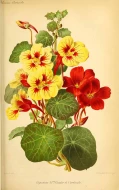
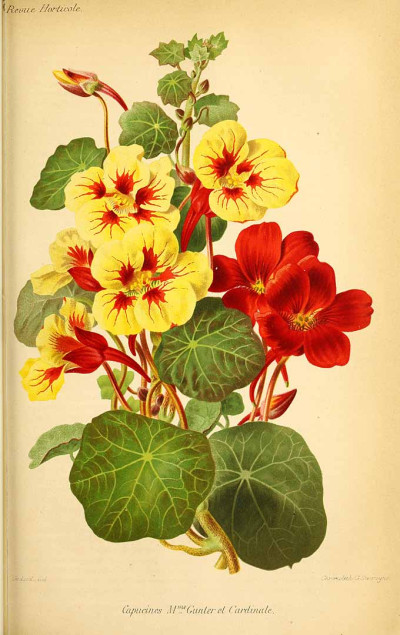
Yellow Tropaeolum

 Garden The PlantShare Way ®
~ All About Common Nasturtium ~

Nasturtiums (Tropaeolum majus) are cheerful, low-maintenance plants that add bright color and edible beauty to any garden. They are perfect for beginners because they grow quickly, adapt easily, and need very little care once established.
The typical Tropaeolum majus bloom time begins in late spring and continues through fall, depending on the climate. In cooler regions, flowers may last until the first frost. Regular deadheading can extend the season and encourage more blooms.
When considering where to plant Tropaeolum majus, it’s helpful to know their hardiness zone. These plants thrive as annuals in most climates but can act as perennials in frost-free areas within USDA zones 9 through 11. In colder regions, seeds should be replanted each spring after frost has passed.
While generally hardy, Tropaeolum majus can face a few issues. Common plant diseases include bacterial leaf spot, downy mildew, and root rot caused by poor drainage. Keeping plants in well-drained soil, avoiding overhead watering, and providing good air circulation helps prevent these problems. Aphids may also appear but are easily managed with a blast of water or insecticidal soap.
As a companion plant, African marigold (Tagetes erecta) pairs especially well with nasturtiums. Marigolds are widely valued for their ability to repel harmful pests, including aphids and soil-dwelling nematodes, helping protect nearby plants. Their upright growth habit contrasts nicely with the trailing nature of nasturtiums, while their bright blooms enhance overall garden color. Planting them together supports healthier growth and improves pest management naturally.
Beyond their garden appeal, Tropaeolum majus have a history of practical use. Their medicinal use includes natural antibacterial and antifungal properties, traditionally applied to support immune health. Today, the flowers and leaves are more commonly enjoyed as edible garnishes, bringing a peppery flavor to salads and savory dishes.
Yes, Nasturtiums are edible. Both the flowers and leaves can be eaten, and they add a peppery flavor to salads and dishes.
Nasturtiums usually bloom from late spring through fall. In warm climates, they may flower almost year-round.
Nasturtiums have a sharp, peppery taste similar to watercress. The flowers are slightly milder than the leaves.
Depending on the variety, Nasturtiums can grow 1 to 3 feet tall. Trailing types can spread even farther along the ground or up supports.
They are annuals in most regions but act as perennials in frost-free climates.
They bloom for several months, often from late spring until the first frost. With deadheading, the bloom period can be extended.
Yes, Nasturtiums spread quickly. Trailing varieties can cover large areas, making them useful as ground cover or in hanging baskets.
Sow seeds directly into the garden after frost danger has passed. Plant them in well-drained soil and a sunny spot. Water regularly but avoid overly rich soil, which reduces flowers.
Nasturtiums prefer bright light and full sun. They can tolerate partial shade, but too much shade reduces blooming.
Last updated on Jun 09, 2026
Species suggested by: Dina Russell, 2020
Plant Profile compiled and written by: Team PlantShare
Contributors: Team PlantShare
 Ask Us!

