



 Garden The PlantShare Way ®

~ All About Corn Salad ~


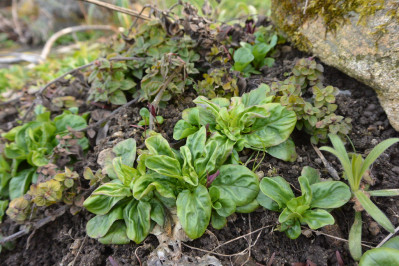
Lamb’s lettuce (Valerianella locusta) is a cool-season green valued for its tender texture and mild, nutty flavor. Valerianella locusta leaves are small, rounded, and form rosettes that add beauty to garden beds and salad bowls alike. This leafy green is packed with vitamins A and C, iron, and omega-3 fatty acids, making it a nutritious addition to any diet.
When growing lamb's lettuce, choose a location with full sun to partial shade. It thrives in cool weather, so plant in early spring or late summer for a fall harvest. The soil should be loose, fertile, and well-draining. Adding compost before planting will help enrich the soil and improve growth. Sow seeds directly into the garden or containers, spacing them about 4 inches apart. Keep the soil consistently moist but not waterlogged to encourage even germination.
Valerianella locusta leaves are ready to harvest when they form small rosettes, usually 40–60 days after sowing. For a continuous supply, pick outer leaves and let the inner ones keep growing, or harvest entire plants when mature. The flavor is sweetest in cooler temperatures, and warm weather may cause the plants to bolt quickly.
One advantage of growing Valerianella locusta is its ability to tolerate light frost, allowing for extended harvests into late fall or even early winter in mild climates. It also grows well in pots or window boxes, making it a great choice for gardeners with limited space.
As a companion plant, Allium porrum (leeks) pairs especially well with lamb’s lettuce. Leeks grow upright and slowly, allowing the low, compact rosettes of Valerianella locusta to fill the soil beneath without competing for space. Their differing root depths reduce nutrient competition, and the natural scent of alliums can help deter certain pests, offering gentle protection to nearby leafy greens.
With its delicate texture and nutritional benefits, Valerianella locusta is a rewarding crop for beginners. By providing consistent moisture, cool growing conditions, and a sunny spot, you’ll enjoy tender, flavorful leaves throughout the season, whether eaten fresh in salads or as a garnish for soups and main dishes.
Yes. Valerianella locusta is edible and is commonly eaten fresh in salads or as a garnish.
Last updated on May 31, 2026
Species suggested by: Dina Russell, 2020
Plant Profile compiled and written by: Team PlantShare
Contributors: Team PlantShare
 Ask Us!