


White Viola

 Garden The PlantShare Way ®
~ All About Heartsease ~


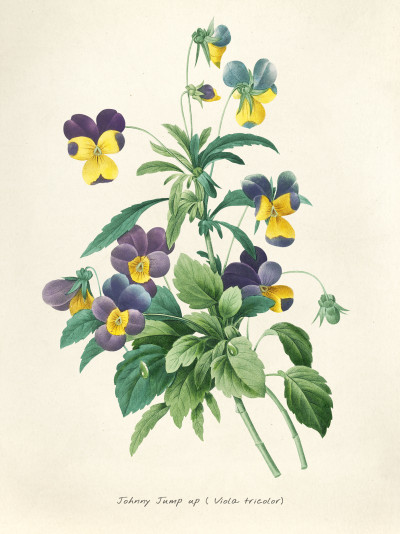
Viola tricolor, often called wild Pansy, Heartsease, or Johnny Jump-Up, is a charming little flower with a long history in gardens and folk traditions. Known for its cheerful mix of purple, yellow, and white petals, it is easy to grow and brings both beauty and usefulness to outdoor spaces.
In the garden, Viola tricolor is loved for its ability to brighten borders, rock gardens, and containers. It reseeds easily, creating colorful carpets that return year after year in many climates. Its compact size makes it a perfect filler between larger plants.
One of the most interesting Viola tricolor uses is in food and drink. The flowers are edible and often used as colorful garnishes for salads, cakes, and desserts. Their mild, slightly sweet flavor makes them a favorite among chefs who enjoy edible flowers. Beyond the kitchen, Viola tricolor has a long history in herbal medicine. Traditionally, it was brewed into teas or tinctures believed to support skin health and ease minor respiratory issues.
Aside from practical Viola tricolor uses, this plant carries rich symbolism. In folklore, it was often linked to love and remembrance. Today, it continues to be planted for its charm and resilience. Pollinators such as bees also visit its blooms, adding ecological value to any garden.
With its beauty, versatility, and unique history, Viola tricolor is much more than a small wildflower. From decorative appeal to culinary garnishes and traditional remedies, the wide range of its uses makes it a delightful choice for gardeners looking for a plant that combines charm with function.
Yes, Viola tricolor grows very well in pots and window boxes. Use well-drained soil, water regularly, and give it enough sunlight to keep it blooming.
Yes, Viola tricolor can reseed easily. Once established, it often spreads on its own, creating new plants the next season.
It can handle light frost without much trouble. In colder climates, it may die back in winter but often returns from seed in spring.
Give the plant partial shade during the hottest part of the day and water it consistently. Pinching off faded flowers also helps it stay fresh and encourages more blooms.
Last updated on May 31, 2026
Species suggested by: Deane Easterling, 2020
Plant Profile compiled and written by: Team PlantShare
Contributors: Team PlantShare
 Ask Us!

