




 Garden The PlantShare Way ®

~ All About Arum Lily ~


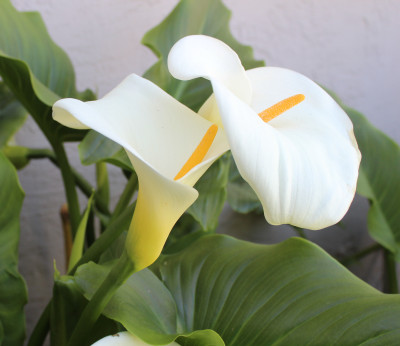
Calla lilies (Zantedeschia aethiopica) are elegant plants known for their trumpet-shaped flowers and lush green leaves. They are popular in both gardens and containers, and with the right care, they can provide long-lasting beauty indoors and outdoors.
The typical Calla lily bloom time is from late spring through mid-summer, though indoor plants may flower at different times. Understanding its sun requirements is important: they prefer full sun in cooler climates but benefit from partial shade in hotter areas, where protection from intense afternoon sun helps preserve blooms and foliage.
When planting Calla lilies outdoors, choose well-drained soil enriched with organic matter. Plant rhizomes about 4 inches deep and keep the soil consistently moist, especially during active growth. In colder regions, calla lilies are not frost-hardy. Their ideal growing zone is USDA zones 8 through 10, where they can overwinter in the ground. In cooler areas, they are often grown as annuals or lifted and stored for winter.
For those interested in growing Calla lilies at home, use a pot with drainage holes and keep the soil evenly moist but never waterlogged. Good potted plant care includes placing them in bright, indirect light and fertilizing monthly during the growing season to encourage strong growth and flowering.
As a companion plant, Iris sibirica is an excellent choice for calla lilies. Both plants enjoy moist, well-drained soil and similar light conditions, making them easy to grow together. Siberian iris adds vertical interest with its slender foliage and delicate blooms, while calla lilies provide bold, sculptural flowers. Planted together, they create a balanced and visually appealing display in borders, pond edges, or moisture-retentive garden areas.
New plants can be started through propagation, usually by dividing rhizomes after the blooming period. Each section should have at least one growing eye to ensure success. Gardeners should also note that poisonous parts include the leaves and flowers, which contain oxalates harmful if eaten by pets or people.
With careful attention to bloom time, sun needs, and proper care, these graceful plants reward gardeners with stunning flowers that add elegance and structure to any space.
Calla lilies are perennials in warm climates (zones 8–10). In colder regions, they are grown as annuals unless the rhizomes are dug up and stored for winter.
Yes, Calla lilies are toxic to cats and dogs. If eaten, they can cause drooling, vomiting, and difficulty swallowing.
Cut off spent flowers at the base to encourage more blooms. After the growing season, remove yellowing or dead leaves to keep the plant healthy.
Calla lilies usually spread 1 to 2 feet wide, depending on the variety and growing conditions.
Most Calla lilies grow 1 to 3 feet tall. Some larger varieties can reach up to 4 feet.
Calla lilies come in many colors, including white, pink, yellow, orange, red, purple, and even dark burgundy.
Yes, they like sun but prefer different levels depending on climate. In cooler areas, they thrive in full sun, while in hotter regions they do better with partial shade.
Yes, Calla lilies are poisonous to humans if eaten. They contain oxalates that can cause burning sensations, swelling, and stomach upset.
Last updated on Nov 15, 2026
Species suggested by: Dina Russell, 2020
Plant Profile compiled and written by: Team PlantShare
Contributors: Team PlantShare
 Ask Us!