



 Garden The PlantShare Way ®

~ All About Common thyme ~


If you’re building an herb garden, Thyme plants are an essential addition. Known for their aromatic leaves and culinary versatility, Thyme brings both beauty and function to any outdoor space. Its compact, woody growth makes it ideal for borders, containers, or rock gardens, and it thrives in sunny, well-drained soil with minimal maintenance.
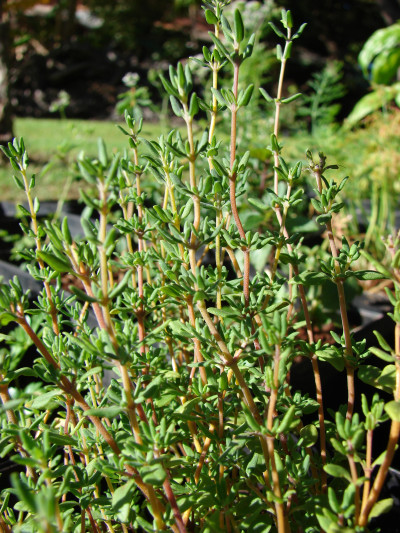
There are many different varieties of thyme, each offering unique flavors, colors, and textures. Common thyme, or Thymus vulgaris, remains the most popular choice for cooking, with a savory aroma that enhances meats, vegetables, and soups. Lemon thyme offers a fresh citrus note that works well with seafood and salads, while creeping thyme spreads low to the ground and creates a fragrant living mulch between stepping stones. Growing several types allows gardeners to combine visual appeal with culinary flexibility.
Beyond its kitchen role, the benefits of Thymus vulgaris extend into health and wellness. This herb contains antioxidants and essential oils such as thymol, which support immune health and help combat bacteria and fungi. It may also aid digestion and soothe mild respiratory discomfort, making it valuable beyond the spice rack.
For companion planting, Solanum lycopersicon, commonly known as tomato, pairs exceptionally well with thyme. Thyme’s low-growing habit helps suppress weeds around tomato plants while improving airflow at the soil surface. Its strong aroma may also help deter certain pests that commonly affect tomatoes. Both plants thrive in full sun and prefer well-drained soil, which makes them easy to grow together in raised beds or garden rows.
When growing Thymus vulgaris, provide full sunlight and avoid overwatering. Prune lightly after flowering to encourage fresh growth and prevent woody stems.
Hardy, drought-tolerant, and rich in flavor and traditional uses, thyme remains one of the most rewarding herbs to grow, especially when paired with productive companions like tomatoes.
Thyme tea is often used to ease coughs, sore throats, and mild digestion problems. It also has natural antioxidants that may help support the immune system.
Yes, Thyme is edible. Both the leaves and tender stems are used in cooking to add flavor to meats, vegetables, soups, and sauces.
Yes, Thyme is a herb. It belongs to the mint family and is grown mainly for its aromatic leaves, which are used fresh or dried in cooking.
Thyme grows naturally in the Mediterranean region, but it can be cultivated in many parts of the world. It prefers sunny locations and well-drained soil.
Most Thyme varieties are edible, but their flavors differ. Common Thyme and Lemon Thyme are most often used in cooking, while some ornamental Thymes are grown mainly for ground cover and scent.
The best Thyme for cooking is Common Thyme (Thymus vulgaris). It has a balanced, classic flavor that works well in almost any dish, from roasted meats to stews and sauces.
Last updated on May 31, 2026
Species suggested by: Dina Russell, 2020
Plant Profile compiled and written by: Team PlantShare
Contributors: Team PlantShare
 Ask Us!