



 Garden The PlantShare Way ®

~ All About Lipstick echeveria ~


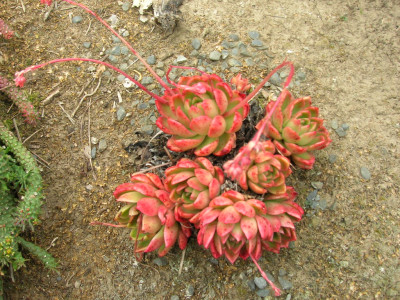
The Lipstick Echeveria plant is one of the most striking succulents you can grow. Known for its bright green leaves edged in deep red, it looks like a rosette brushed with lipstick, which explains the name. This variety, also called Echeveria agavoides, combines bold color with durability, making it an excellent choice for beginners who want a low-maintenance but visually impressive plant.
Proper Echeveria agavoides care starts with sunlight. Place the plant where it receives at least six hours of bright, indirect light each day. Morning sun works best because harsh midday rays can scorch the leaf tips and dull the red margins. Indoors, a sunny windowsill or a quality grow light helps maintain compact growth and vibrant color.
Watering plays a major role in keeping this succulent healthy. Use the soak-and-dry method by watering thoroughly and then allowing the soil to dry out completely before the next watering. Overwatering often leads to root rot, which is one of the most common issues with succulents. During winter, reduce watering since growth slows and the plant requires less moisture.
Soil choice matters just as much. A well-draining cactus or succulent mix prevents water from lingering around the roots. Terracotta pots are ideal because they improve airflow and allow excess moisture to evaporate more quickly.
Echeveria agavoides grows best in warm temperatures between 65°F and 80°F. It tolerates slight temperature drops but cannot survive frost, so move it indoors during colder months.
Crassula schmidtii makes an excellent companion plant for Echeveria agavoides. It shares similar light, soil, and watering needs, which simplifies care. Its compact form and small red-pink flowers add texture and contrast without overpowering the Echeveria’s bold rosette. Together, they create a balanced, visually appealing succulent arrangement.
With consistent care and thoughtful plant pairing, this vibrant succulent adds long-lasting beauty to any indoor or outdoor display.
Echeveria agavoides grows best in light, well-draining soil. A cactus or succulent mix works perfectly because it lets water flow through easily and prevents the roots from sitting in moisture. You can make your own mix by combining regular potting soil with coarse sand, perlite, or small gravel. The key is to keep the soil airy and dry between waterings to avoid root rot.
When grown indoors, Echeveria agavoides needs bright light and minimal water. Place it near a sunny window that gets several hours of sunlight each day. If your space is dim, use a small grow light to keep it healthy. Keep the temperature warm—around 65°F to 80°F (18°C–27°C)—and avoid cold drafts. Make sure the pot has drainage holes, and don’t let water sit in the saucer.
Water only when the soil is completely dry. In spring and summer, this is usually every 10–14 days, depending on your home’s humidity and light levels. During fall and winter, when the plant grows slower, water once a month or less. Always water deeply, let the extra drain out, and never leave the soil soggy.
Yes, this plant produces lovely red or pink flowers on tall stems, usually in late spring or summer. To encourage blooms, give it plenty of sunlight, reduce watering slightly during winter, and avoid overfertilizing. A bright, sunny spot and steady care will help your Echeveria store enough energy to bloom beautifully when the season comes.
Last updated on Jun 18, 2026
Species suggested by: Simone Feurstein, 2020
Plant Profile compiled and written by: Team PlantShare
Contributors: Team PlantShare & Jeffrey Lazar
 Ask Us!