



 Garden The PlantShare Way ®
~ All About Fairy elephant’s feet ~


If you enjoy unusual succulents, Frithia pulchra is a rewarding plant to explore. Gardeners know this South African native as "fairy elephant's feet," and they love it for its tiny, tubular leaves and vibrant pink flowers. It looks delicate, but this succulent is surprisingly tough when you grow it under the right conditions, making it a great choice if you want something unique yet manageable.
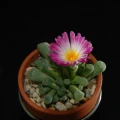
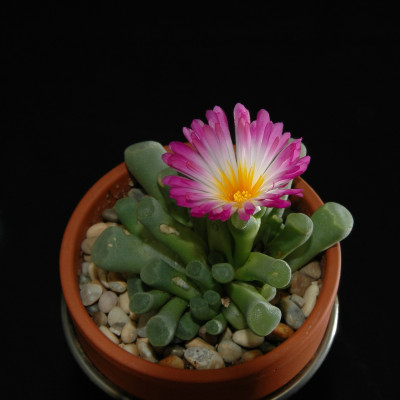
Frithia pulchra is a stemless miniature that grows to just about 4 inches tall and 8 inches wide. It is endangered in the one remaining place it grows in the wild. Its compact, ground-hugging form is part of its charm. The leaves are bulbous and oblong, and each one has a small translucent "window" at the tip that lets sunlight reach the inner tissue. Plants from sunny, rocky habitats often develop this clever trick. In summer, it puts out gorgeous magenta and white flowers that look like tiny daisies, which feels almost surprising given how small the plant is. It also has another neat survival trick: during a drought, it can pull itself below the soil surface to escape the heat and hold onto moisture. This protects the plant, but it also makes it very hard to find until conditions improve.
Frithia pulchra does best in bright, indirect sunlight. If you grow it outdoors, pick a spot that gets morning sun and some shade in the afternoon so the heat does not scorch it. Indoors, place it near a south- or east-facing window. It can handle cooler temperatures, but keep it away from frost.
Good drainage is a must. Fill the pot with a sandy, gritty cactus mix, or mix perlite or pumice into regular potting soil to improve it. Water less than you think you need to. During spring and summer when the plant is actively growing, water it well, then wait until the soil dries out almost completely before you water again. In winter, cut back watering a lot to protect the roots from rot. If you get the watering right, you are already doing most of the work.
Once a month during the growing season, feed your plant with a diluted cactus fertilizer to help it bloom and grow steadily. It stays small, rarely getting bigger than a few inches across, so it fits perfectly on a windowsill or in a small container.
Frithia pulchra looks great next to larger succulents like Aloe vera. Aloe vera grows tall and upright, which creates a nice contrast with Frithia's low, compact shape. Both plants need bright light, good drainage, and infrequent watering, so you can care for them together without any extra effort. Put them in a shallow container or group them side by side for a simple, eye-catching display.
The most common mistake beginners make is overwatering. If you notice mushy leaves or the plant suddenly collapses, too much water is usually the cause. Let the soil dry out completely and water less going forward.
Frithia pulchra is a small plant with a lot of personality. Focus on giving it good light, sharp drainage, and careful watering, and consider pairing it with aloe vera for an easy, attractive combination.
Frithia pulchra needs bright but gentle sunlight, sandy soil with excellent drainage, and very careful watering. Keep it in a shallow pot, avoid heavy soil, and let it dry out between waterings. It grows best in spring and summer and rests during winter.
Water deeply but only when the soil is nearly dry. In spring and summer, this usually means once every one to two weeks. In winter dormancy, water very little—just enough to keep the plant from shriveling. Overwatering is the quickest way to harm it.
This succulent blooms in summer, producing bright pink to purple, daisy-like flowers. The blossoms often open on sunny days and close in the evening, adding charm to its compact form.
It enjoys plenty of light but not harsh, direct midday sun. Morning or late afternoon sun works best outdoors. Indoors, place it near a bright window with filtered light. Too much direct sun can scorch the leaves, while too little light makes the plant weak.
Last updated on May 31, 2026
Species suggested by: Simone Feurstein, 2020
Plant Profile compiled and written by: Team PlantShare
Contributors: Team PlantShare
 Ask Us!

