



 Garden The PlantShare Way ®
~ All About True Aloe ~


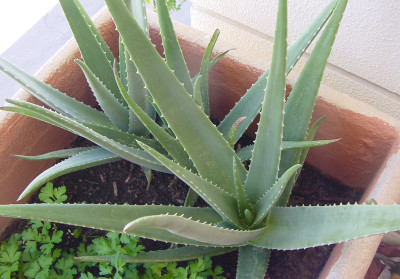
Among the most popular houseplants for beginners, the Aloe vera stands out for its beauty and versatility. Known for its soothing gel, this succulent is prized for both decorative and practical uses. With the right approach to plant care, it will thrive indoors or outdoors for years.
Understanding Aloe growing conditions is key. Aloe prefers bright, indirect sunlight and warm temperatures. Ideal light requirements include at least six hours of filtered light per day, making a sunny windowsill perfect. Too little light can cause the leaves to stretch or lose color, while too much direct sun may lead to leaf burn.
Well-draining soil is essential to prevent root rot. Use a cactus or succulent mix, and let the soil dry completely between waterings. Overwatering is the most common issue among Aloe vera care problems, often causing soft, mushy leaves. If this happens, trim away damaged parts and repot the plant in dry soil.
While Aloe vera is best known for its medicinal gel, other Aloe species offer strong ornamental value. Aloe dawei, for example, is admired for its upright growth habit, textured leaves, and dramatic flower spikes. Unlike Aloe vera, Aloe dawei is mainly grown for visual impact rather than gel production. It produces tall stems topped with tubular reddish-orange flowers that attract pollinators, making it a striking choice for outdoor gardens or bright indoor spaces.
There are many benefits of Aloe beyond its ease of care. The gel inside its leaves is rich in vitamins, minerals, and antioxidants, commonly used to soothe burns, moisturize skin, and reduce inflammation. Many people use Aloe vera as a natural remedy for sunburns and minor wounds.
Although widely used, Aloe vera has a poisonous component — the yellow latex found just beneath the leaf’s skin. Ingesting large amounts can cause digestive irritation, so it’s best used topically unless processed for safe consumption.
With its resilience, healing qualities, and sculptural beauty, Aloe vera is an ideal plant for beginners seeking both style and substance in their garden or home.
You can use the gel inside the leaves on minor burns, dry skin, or cuts. Some people also mix the gel into drinks or smoothies in small amounts.
Place it in a bright spot with plenty of indirect light. Use well-drained soil, water sparingly, and make sure the pot has drainage holes.
Yes, but only the clear inner gel. The yellow latex just under the skin is not safe to eat and should be avoided.
Aloe grows naturally in hot, dry regions like North Africa, the Arabian Peninsula, and parts of the Mediterranean.
Water about every two to three weeks, letting the soil dry completely between waterings. In winter, water even less.
The gel is safe for skin use and small food amounts, but the latex can be toxic if eaten. It may cause stomach upset or cramping.
Peel away the green skin and yellow latex, then rinse the clear gel well. You can cube it and use it in smoothies, salads, or lightly sauté it.
No, Aloe vera does not grow well in water. It needs soil with good drainage to stay healthy.
Yes, in warm climates. They thrive outdoors in USDA zones 9–11, but in colder regions they must be brought inside before frost.
Cut leaves can be wrapped and stored in the refrigerator for about a week. For longer storage, freeze the gel in small portions.
Aloe grows slowly. It can take three to four years to reach full size, depending on light and care.
They like bright light and can handle a few hours of direct sun. Too much intense sunlight, however, can scorch the leaves.
Aloe vera originates from the Arabian Peninsula, though it has spread and naturalized in many warm, dry regions worldwide.
Last updated on Aug 02, 2026
Species suggested by: Julia M Courtney, 2020
Plant Profile compiled and written by: Team PlantShare
Contributors: Jeffrey Lazar
 Ask Us!