



 Garden The PlantShare Way ®
~ All About Vesuvius sword plant ~

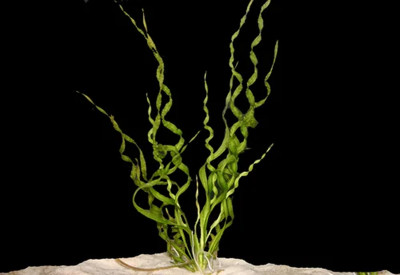
Helanthium bolivianum ‘Vesuvius’ is a popular freshwater aquarium plant known for its twisted, grass-like leaves and compact growth. Beginners often choose it because it looks striking without requiring advanced skills. When planted correctly, this species adds texture and movement to aquascapes while staying easy to manage.
This plant grows best in a nutrient-rich substrate. Its root system plays a key role in nutrient uptake, so a proper base supports healthy and steady growth. While liquid fertilizers help, root tabs make a noticeable difference. Moderate lighting works well, and stronger light encourages tighter curls and denser growth. You do not need CO2 injection, but adding it can improve color and speed up development.
Placement matters when working with Helanthium bolivianum ‘Vesuvius’. Most aquarists use it as a midground plant, where its unique leaf shape stands out without blocking other plants. In smaller tanks, it can also function as a background plant. Its height stays controlled compared to taller sword plants, which makes layout planning easier for beginners.
Water conditions remain simple. This plant tolerates a wide range of parameters, including slightly soft to moderately hard water. Stable conditions matter more than chasing exact numbers. Regular water changes help prevent algae buildup on the narrow leaves.
A good companion plant for Helanthium bolivianum ‘Vesuvius’ is Rotala rotundifolia. This stem plant grows upright with small, rounded leaves and adds contrast to the curly structure of Vesuvius. Rotala works best in the background, where it creates a soft green or slightly reddish backdrop, depending on light levels. Both plants prefer similar conditions, including moderate lighting and clean water, which makes them easy to grow together. While Rotala benefits from trimming to stay bushy, it does not compete aggressively for nutrients, allowing Helanthium bolivianum ‘Vesuvius’ to spread comfortably in the midground. Together, they create a balanced layout with depth and visual variety.
One common mistake involves planting Helanthium bolivianum ‘Vesuvius’ too deep. Burying the crown can slow growth or cause rot. Another issue comes from weak lighting, which leads to stretched, straight leaves instead of the signature spiral look. Overcrowding also limits airflow and light, so spacing each plant helps maintain its shape.
For beginners who want a low-stress plant with visual impact, Helanthium bolivianum ‘Vesuvius’ offers a reliable and rewarding choice.
Yes, it’s one of the easier aquarium plants to grow. It adapts to different water conditions, tolerates a range of light levels, and doesn’t require CO₂ injection to stay healthy. Beginners can succeed with it as long as they provide a stable tank environment.
It strongly prefers a nutrient-rich substrate because it’s a heavy root feeder. While it may survive in bare-bottom tanks or sand with added root tabs, growth will be slower and less vibrant. A proper substrate helps it thrive.
Yes, it works well in both placements. In smaller tanks, it fits nicely in the background, creating a flowing curtain of spiraled leaves. In larger aquariums, it can also be used in the midground as a focal point among shorter plants.
The most frequent mistakes include planting it in poor or shallow substrate, neglecting root nutrition, and not trimming runners. Another issue is placing it in very low light, which makes the leaves lose their twisted form. Overcrowding can also block its natural spread.
Last updated on May 31, 2026
Species suggested by: Dina Russell, 2020
Plant Profile compiled and written by: Team PlantShare
Contributors: Team PlantShare
 Ask Us!