



 Garden The PlantShare Way ®
~ All About Peach-leaved bellflower ~


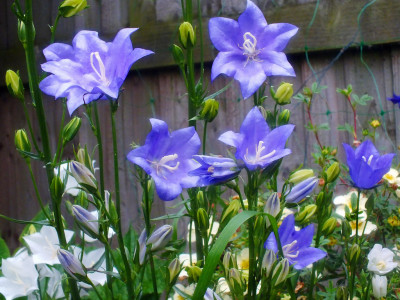
If you want a flower that brings timeless beauty and gentle charm to your garden, Campanula persicifolia is a perfect choice. Also known as Peach-leaved Bellflower, this graceful perennial produces tall stems topped with delicate, bell-shaped blooms in shades of blue, lavender, or white. Its upright form and long-lasting flowers make it a standout in borders, cottage gardens, or mixed perennial beds.
Learning the care of Campanula is straightforward, even for beginners. This plant thrives in well-drained soil with plenty of organic matter and enjoys full sun to partial shade. Water it regularly during dry periods, but avoid overwatering, as soggy soil can lead to root rot. Deadheading faded blooms encourages new flowers and extends the blooming season well into summer. A light application of balanced fertilizer in spring helps promote healthy growth and abundant flowering.
As a Campanula is a perennial plant, this species comes back year after year with minimal effort. In colder regions, it tolerates frost well, but adding a thin layer of mulch in late fall can protect the roots during severe winters. After flowering, cut the stems back to maintain a tidy appearance and prepare the plant for the next growing season.
Campanula persicifolia is a versatile garden favorite that complements roses, delphiniums, and ferns beautifully. Its slender stems add height and rhythm to plant compositions, while the soft, bell-shaped flowers bring a romantic, natural look to any landscape.
Yes, most Campanula species are perennial. This means they return year after year, producing flowers and foliage with minimal care. Some varieties may be annual or biennial, so it’s important to check the specific type you have.
Campanula height varies by species, typically ranging from 6 inches (15 cm) for low-growing groundcovers to 3 feet (90 cm) for taller garden varieties. Its spread is usually similar, making it suitable for borders, rock gardens, or mixed flower beds.
Yes, Campanula grows well in pots, containers, or window boxes. Use well-draining potting soil and water regularly to keep the soil moist but not soggy. Container plants benefit from occasional feeding during the growing season and may need protection from extreme heat or frost.
Campanula grows best in full sun to partial shade. Most species prefer sunlight to produce abundant blooms, but a bit of afternoon shade can protect delicate leaves in hot climates. Choosing the right light will ensure strong growth and more flowers.
Campanula generally flowers from late spring to late summer, though exact timing depends on the species. Deadheading spent blooms can encourage longer flowering and keep the plant looking tidy.
Last updated on Jun 13, 2026
Species suggested by: Dina Russell, 2020
Plant Profile compiled and written by: Team PlantShare
Contributors: Team PlantShare
 Ask Us!