



 Garden The PlantShare Way ®

~ All About Beavertail Cactus ~


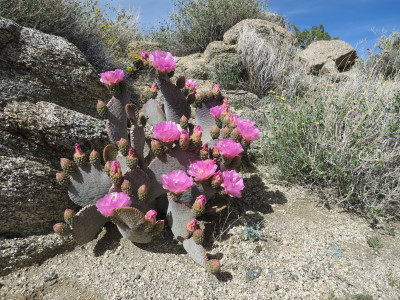
The Beavertail prickly pear, scientifically known as Opuntia basilaris, is a standout cactus native to the deserts of the southwestern United States. Recognized for its flat, paddle-shaped pads and striking magenta blooms, this plant brings bold color and structure to xeriscapes, rock gardens, and drought-tolerant landscapes. Its natural resilience and sculptural form make it an excellent choice for gardeners seeking beauty with minimal upkeep.
Successful cactus care starts with the right planting site. Opuntia basilaris thrives in full sun, where it develops compact growth and abundant flowers. Well-draining soil is essential. Sandy or gravelly soil works best, and amending garden beds with coarse sand or small stones helps prevent water retention. Poor drainage is the fastest way to damage this cactus, so avoid heavy clay soils whenever possible.
Watering should remain minimal and intentional. Allow the soil to dry out completely between watering sessions, as overwatering often leads to root rot. During the active growing season, occasional deep watering supports healthy pad development. In winter, reduce watering significantly to match the plant’s dormant phase. This cactus tolerates extreme heat and can handle brief frosts when planted in a sheltered, sunny location.
Propagation offers an easy way to expand your planting. Simply detach a healthy pad, allow it to callous for several days, and plant it in dry, well-draining soil. New roots form quickly under warm conditions.
Companion planting enhances both visual appeal and garden health. Muhlenbergia rigens, commonly known as deer grass, pairs well with Opuntia basilaris due to its upright form and shared drought tolerance. Its sturdy, arching blades create a strong contrast against the cactus’s low profile. Muhlenbergia capillaris, or pink muhly grass, adds a softer element. Its fine texture and airy pink flower plumes bring seasonal movement and color without competing for water.
Together, these plants form a cohesive, low-maintenance landscape that celebrates texture, contrast, and resilience. With thoughtful placement and simple care, Opuntia basilaris becomes a long-lasting focal point in any dry, sun-filled garden.
Opuntia basilaris thrives in full sun. It requires at least six hours of direct sunlight per day to maintain healthy growth, strong pads, and vibrant flowers. Insufficient sunlight can cause weak, stretched growth and reduce flowering.
Yes, it can tolerate light frost, but prolonged freezing temperatures can damage the pads. In colder regions, it’s best to plant it in a sunny, sheltered spot or grow it in a container that can be moved indoors during harsh winters. Mulching around the base can also help protect roots from frost.
Water sparingly. Allow the soil to dry completely between waterings. Overwatering is the most common cause of problems with this cactus, including root rot. During winter dormancy, watering should be reduced even further—sometimes not needed at all if the cactus is kept cool and dry.
Opuntia basilaris grows best in well-draining soil. Sandy or gritty soil mixed with small rocks or coarse sand mimics its natural desert habitat. Avoid heavy clay soils, as they retain moisture and increase the risk of root rot. A slightly acidic to neutral pH (6.0–7.0) is ideal.
Last updated on Nov 15, 2026
Species suggested by: Catherine Ko, 2021
Plant Profile compiled and written by: Team PlantShare
Contributors: Team PlantShare
 Ask Us!