



 Garden The PlantShare Way ®

~ All About Soapweed yucca ~

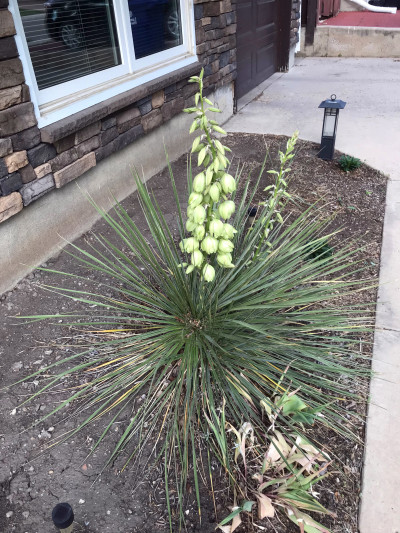
Yucca glauca, commonly called Soapweed Yucca, is a hardy, drought-tolerant perennial native to the prairies and plains of North America. Its striking rosettes of sword-shaped leaves and tall flower spikes make it an architectural addition to gardens, xeriscapes, and naturalized landscapes.
When planting Yucca glauca, choose a location with full sun and well-draining soil. It thrives in sandy or rocky soils and tolerates drought once established. Its low-maintenance nature makes it ideal for beginner gardeners or those seeking resilient, low-water plants. Minimal care is needed, though occasional watering during extended dry periods helps maintain healthy foliage and supports flowering.
During summer, Yucca glauca produces tall spikes of creamy white, bell-shaped flowers that rise above the foliage. These blooms attract pollinators such as bees and hummingbirds, adding movement and ecological value to the garden. The evergreen leaves remain attractive year-round, providing strong structure and texture even when other plants fade.
Yucca glauca also has a long history of practical use. Native American communities traditionally used its roots and leaves for soap, fiber, and various medicinal purposes. In modern landscapes, it serves as an effective plant for erosion control, dry borders, and rock gardens where durability and visual impact matter.
If you want to add a groundcover, choose a sedum, if a taller plant, choose Artemisia australis var. mauiensis. This aromatic, silvery-leaved perennial thrives in similar dry, well-drained soils and full sun exposure. Its soft, finely textured foliage contrasts nicely with the rigid, upright form of yucca, creating visual balance in drought-tolerant plantings. Artemisia australis var. mauiensis also helps suppress weeds and reflects sunlight, which can reduce soil temperature around neighboring plants. Together, these two species form a resilient, low-water combination that delivers strong texture, color contrast, and year-round interest with minimal upkeep.
Yes, Yucca glauca thrives in full sun. It needs at least six hours of direct sunlight per day to develop strong foliage and produce its striking flower spikes. While it can tolerate light shade, insufficient sun may result in weaker growth and fewer blooms.
Yes, Yucca glauca is cold-hardy. It can tolerate freezing temperatures typical of USDA Zones 3–8. In colder climates, the plant may slow growth in winter, but its hardy root system usually survives and regrows in spring.
Water sparingly. Yucca glauca is drought-tolerant and prefers well-draining soil. During the first growing season, water moderately to help the roots establish. Once established, water only during prolonged dry spells. Overwatering can cause root rot, so it’s better to underwater than overwater.
Yes, Yucca glauca can be grown in containers, provided the pot has excellent drainage. Use a gritty, sandy soil mix and ensure the container receives full sun. Container-grown plants need less frequent watering than garden-planted ones, but it’s important to keep the soil slightly moist during hot, dry periods. In winter, protect potted plants from severe frost by moving them to a sheltered spot.
Last updated on May 31, 2026
Species suggested by: Catherine Ko, 2021
Plant Profile compiled and written by: Team PlantShare
Contributors: Team PlantShare
 Ask Us!