




 Garden The PlantShare Way ®

~ All About Muscadine ~


Muscadine grapes (Muscadinia rotundifolia) are a true Southern classic, valued for their rich flavor, resilience, and health benefits. If you are new to gardening and want to enjoy your own backyard vineyard, learning about growing Muscadines from seeds, their care and understanding their types will give you a strong start.
Starting with seeds is possible, though it requires patience. To begin, remove seeds from fresh, ripe fruit, wash them thoroughly, and let them dry. Plant them in well-draining soil, keeping the soil consistently moist but not soggy. Because seed-grown vines take longer to bear fruit than cuttings or nursery plants, think of this method as a long-term project. Seedlings usually need at least three years before producing clusters, so be prepared to nurture them with proper watering, sunlight, and pruning.
Caring for Muscadines involves more than watering alone, regular pruning is essential to encourage strong growth and improve air circulation, while a trellis or support system will help the vines spread properly. Mulching helps retain soil moisture and keep weeds down, and applying a balanced fertilizer during the growing season supports healthy foliage and fruit production. Muscadines also benefit from thoughtful companion planting. Tagetes erecta, commonly known as African marigold, is a helpful companion plant. Its bright blooms attract beneficial insects and pollinators, while its strong scent may help deter certain garden pests. Planted around the base of grapevines, marigolds add color to the vineyard and support overall plant health.
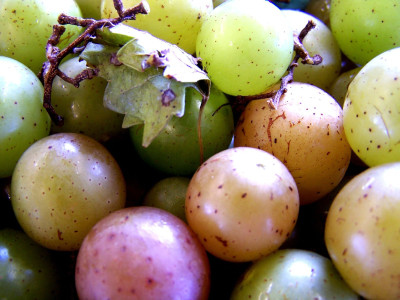
When exploring the many types of Muscadine grapes, you’ll discover varieties suited for different uses. Black Muscadines like ‘Noble’ or ‘Carlos’ are often used for juice and wine, while bronze varieties such as ‘Summit’ or ‘Fry’ are prized for fresh eating. Each type has its own balance of sweetness, skin thickness, and growth habit. Choosing the right type for your climate and intended use is key to success.
By starting small, choosing the right varieties, and giving steady care, even beginner gardeners can master Muscadine cultivation and enjoy the taste of this Southern treasure.
Muscadine grapes usually ripen in late summer through early fall. Most varieties are ready between August and October, depending on the region and the weather that year.
They grow best in the southeastern United States, where summers are hot and humid. States like Georgia, North Carolina, and Florida are common places to find them.
Plant vines in full sun with well-draining soil. Give them a sturdy trellis or arbor to climb on. Water regularly during dry spells, and prune each winter to control growth and encourage more fruit.
The vines usually bloom in late spring, around May or June. Small greenish flowers appear before the grapes start to form.
Yes, the leaves are edible. They can be used fresh or cooked, and some people use them for wrapping foods, much like grape leaves in Mediterranean dishes.
Last updated on May 31, 2026
Species suggested by: Jim LoGerfo, 2021
Plant Profile compiled and written by: Dina Russell
Contributors: Team PlantShare
 Ask Us!