



 Garden The PlantShare Way ®

~ All About Common Lantana ~


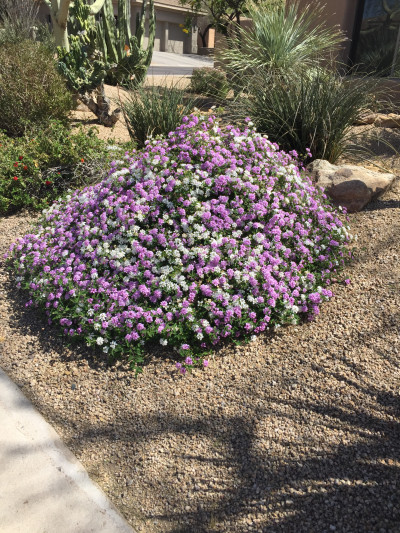
If you want a colorful, low-maintenance plant that thrives in heat, Lantana camara deserves a place in your garden. This resilient flowering shrub offers continuous blooms from spring through fall, making it a great choice for beginners who want long-lasting color without constant care. It handles drought, poor soil, and intense sun far better than most ornamentals, and its clusters of bright flowers attract butterflies and pollinators all season.
To grow Lantana camara successfully, choose a spot with full sun and well-drained soil. The plant grows quickly once the weather warms, so give it enough space to spread. Water young plants consistently during the first few weeks, then reduce watering once they establish. Mature Lantanas prefer slightly dry conditions and will bloom better when you avoid overwatering. A light trim every month keeps the plant compact and encourages fresh growth.
If you want to multiply your plants, Lantana camara propagation is surprisingly easy. Most gardeners start with stem cuttings because they root faster and produce reliable results. Choose a healthy, semi-woody stem, remove the lower leaves, and place the cutting in moist potting mix. Keep it warm and bright, but out of direct sun, until roots form. You can also propagate Lantana from seeds, although the process takes longer and produces more variation in flower color and growth habits.
Ornamental grasses like Pennisetum setaceum (fountain grass) adds soft, arching plumes that contrast with the bright, clustered flowers of Lantana, creating movement and texture in garden beds or containers. Both plants thrive in full sun, tolerate heat, and require minimal maintenance, making them a complementary combination for low-water, high-impact landscapes.
Whether grown in beds, borders, containers, or hanging baskets, Lantana camara delivers continuous color and energy throughout the growing season. With proper sunlight, moderate watering, and occasional pruning, it provides a resilient, butterfly-friendly display that adds life and charm to any garden, especially when paired with companion plants like Pennisetum setaceum.
Lantana camara usually grows between 2 and 6 feet tall. The exact height depends on the climate, soil, and the specific variety you plant. In warmer areas, it may grow even larger and form wide, bushy shapes.
Yes, Lantana camara is a perennial in warm regions. It survives year-round in areas that do not freeze. In colder climates, it behaves like an annual because frost kills the top growth. Some gardeners bring container plants indoors for winter so the plant can come back the next season.
Yes. Lantana camara is toxic to dogs if they eat the leaves or berries. It can cause vomiting, weakness, or stomach pain. Most dogs avoid the plant because of its bitter taste, but it’s still best to keep pets from chewing on it.
Put Lantana in a sunny spot because it needs a lot of light to bloom well. Use well-drained soil and avoid watering too often once the plant is established. Lantana likes warm, dry conditions, so let the top of the soil dry before watering again. Light pruning during the growing season helps it stay full and produce more flowers. You can also give it a small amount of balanced fertilizer in early summer, but don’t overfeed it because too much fertilizer can reduce blooming.
Last updated on Nov 10, 2026
Species suggested by: Catherine Ko, 2021
Plant Profile compiled and written by: Team PlantShare
Contributors: Team PlantShare & Catherine Ko
 Ask Us!