



 Garden The PlantShare Way ®

~ All About Desert Fleabane ~


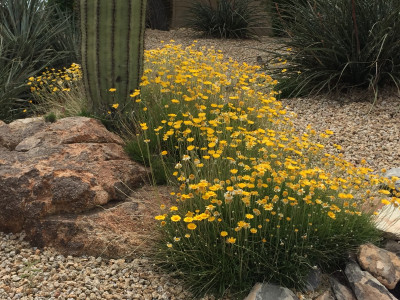
Erigeron linearis is a charming perennial wildflower native to the western United States, often admired for its bright, daisy-like blooms and ability to thrive in dry, rocky soils. This resilient plant, also known as desert yellow fleabane, is an excellent choice for gardeners who love low-maintenance and drought-tolerant species. Its cheerful yellow flowers and fine-textured foliage make it a standout addition to native gardens, rock gardens, and xeriscapes.
When it comes to Erigeron linearis care, simplicity is key. This plant naturally grows in poor, well-draining soils and requires very little supplemental water once established. Overwatering can harm it, so let the soil dry out between waterings. A sunny position is ideal, as full sun encourages the best flowering and compact growth. It’s also tolerant of partial shade, though it may produce fewer blooms there.
One of the biggest advantages of growing Erigeron linearis is its adaptability. It handles heat, cold, and wind remarkably well and performs beautifully in USDA hardiness zones 4 through 8. Its long blooming season from late spring into early summer provides weeks of bright color when many other native plants are still waking up from winter. The nectar-rich flowers attract a variety of pollinators, including bees and butterflies, adding ecological value to your garden.
Maintenance for Erigeron linearis is minimal. Deadheading spent blooms encourages fresh flowers, while trimming back the foliage in late fall keeps plants tidy for the next season. It also self-seeds modestly, so you can enjoy natural clusters forming over time without it becoming invasive.
As a companion plant, Epilobium canum pairs beautifully with Erigeron linearis. While Erigeron brings early-season yellow blooms and a low, airy form, Epilobium canum takes over later in the season with vivid red-orange tubular flowers that attract hummingbirds. Both plants share a love for full sun, excellent drainage, and dry conditions, making them ideal partners in water-wise landscapes. Together, they create a long-lasting display of color, support pollinators, and offer a naturally balanced planting that thrives with very little intervention.
Erigeron linearis grows best in full sun, where it develops compact foliage and produces the most flowers. It can handle partial shade, especially in hotter climates, but too much shade may reduce blooming and cause the stems to stretch. For healthy growth and vibrant color, give it at least six hours of direct sunlight each day.
Deadhead Erigeron linearis regularly during the blooming season to keep the plant looking tidy and to encourage more flowers. Simply remove faded blooms by pinching or cutting them back to a healthy leaf node. After the main flowering period, you can lightly trim the plant to maintain shape and stimulate a possible second flush of blooms.
Yes, Erigeron linearis is ideal for rock gardens, slopes, and native landscapes. Its natural drought tolerance and preference for well-draining, sandy, or rocky soil make it a great fit for these settings. The plant’s compact habit and cheerful yellow flowers provide both texture and color contrast among stones and other native perennials.
Absolutely. The bright, daisy-like blooms of Erigeron linearis are rich in nectar and pollen, attracting a wide range of pollinators. Bees, butterflies, and even native solitary bees visit the flowers regularly. Adding this plant to your garden not only enhances visual appeal but also supports local pollinator populations throughout spring and early summer.
Last updated on Nov 10, 2026
Species suggested by: Catherine Ko, 2021
Plant Profile compiled and written by: Team PlantShare
Contributors: Team PlantShare
 Ask Us!