



 Garden The PlantShare Way ®

~ All About Cigar Plant ~


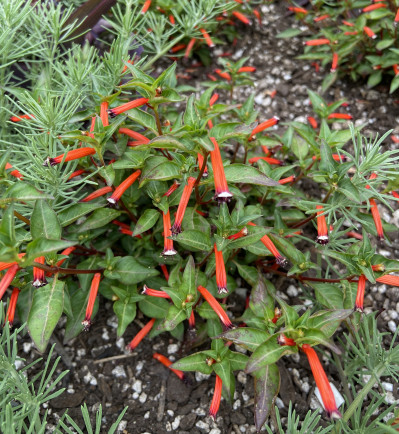
Cuphea ignea is a perennial, commonly known as the Firecracker plant, is a striking addition to sunny gardens, borders, and containers. Its bright tubular flowers attract hummingbirds and butterflies, making it both decorative and wildlife-friendly. Understanding plant care ensures long-lasting blooms and a healthy, compact shape.
When growing Cuphea, sunlight is essential. Plant in full sun to encourage dense, bushy growth and continuous flowering. Well-draining soil is a must, as Cuphea ignea does not tolerate waterlogged roots. Water regularly during hot, dry periods, but allow the soil to dry slightly between watering to prevent root issues. Fertilize lightly every month during the growing season to support vibrant blooms without encouraging excessive leafy growth.
Although typically grown as an annual in cooler climates, Cuphea ignea is a perennial in USDA zones 9–11. In warmer regions, they can survive winters with minimal protection, maintaining their shape and flowering year after year. In colder areas, growing Cuphea in containers allows you to bring the plant indoors or into a protected space during frost.
Regular maintenance enhances both beauty and bloom duration. Light trimming and encourage new growth and prevent legginess. For compact, bushy plants, pinch back stems early in the season and prune lightly as needed.
Cuphea ignea is also easy to propagate. Semi-hardwood cuttings taken in spring or early summer root quickly in moist, well-draining soil. This allows gardeners to expand their collection or replace older plants efficiently.
As a companion plant, Lantana camara pairs exceptionally well with Cuphea ignea. Both plants thrive in full sun and well-drained soil, and both are known for their excellent drought tolerance once established. Lantana’s bold clusters of multicolored flowers complement the tubular blooms of Cuphea, creating a vibrant, pollinator-friendly display. Together, they attract hummingbirds, butterflies, and bees while providing continuous color from late spring through fall.
Planted side by side in garden beds or combined in large containers, Cuphea ignea and Lantana camara create a dynamic, low-maintenance combination that delivers strong visual impact and wildlife appeal with minimal effort.
Cuphea ignea, also called the Firecracker plant, thrives in full sun to light shade. Plant it in well-draining soil enriched with organic matter to encourage healthy growth and vibrant blooms. Water regularly during dry periods, but allow the soil to dry slightly between watering to avoid root rot. Fertilize lightly every 4–6 weeks during the growing season with a balanced fertilizer to promote continuous flowering.
To maintain a bushy, compact form, pinch or lightly trim stems every few weeks during the growing season. Removing spent blooms and leggy growth encourages new branches and more flowers. A harder prune in early spring can rejuvenate older plants and keep them dense and attractive.
Cuphea ignea grows very well in containers as long as the pots have good drainage and enough room for roots to expand. Container plants may require slightly more frequent watering than those in the ground, but they offer flexibility for moving indoors in colder climates or protecting from frost.
Yes, Cuphea ignea is easily propagated from semi-hardwood cuttings taken in late spring or early summer. Cut a 4–6 inch stem just below a leaf node, remove the lower leaves, and place it in a moist, well-draining potting mix. Keep the cutting in bright, indirect light and maintain consistent moisture. Roots typically form in 2–4 weeks, after which the new plant can be transplanted to a larger pot or garden bed.
Last updated on Nov 10, 2026
Species suggested by: Dina Russell, 2021
Plant Profile compiled and written by: Team PlantShare
Contributors: Team PlantShare
 Ask Us!