



 Garden The PlantShare Way ®
~ All About Maui Wormwood ~

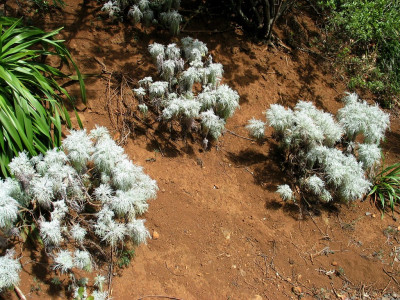
Artemisia australis var. mauiensis is a striking, low-maintenance plant valued for its silvery foliage and aromatic texture. Native to Hawaii, this variety thrives in well-drained soils and sunny locations, making it ideal for gardeners looking to add unique texture and year-round interest to their landscapes.
When planting Artemisia australis var. mauiensis, choose a spot with full sun exposure, as this encourages compact growth and vibrant foliage color. The plant prefers sandy or rocky soils but can tolerate a variety of well-draining garden soils. Avoid overly wet conditions, as poor drainage can lead to root rot. Once established, this plant is highly drought-tolerant, requiring minimal supplemental watering.
Artemisia australis var. mauiensis is naturally slow-growing, forming a low mound of finely divided, aromatic leaves. Occasional light pruning after flowering helps maintain a neat shape and promotes denser growth. Removing any dead or damaged foliage also encourages overall plant health and longevity.
Propagation is best achieved through cuttings or division. Take semi-hardwood cuttings in spring or early summer and root them in a moist, well-draining medium. Dividing mature plants is another effective way to expand your garden with this attractive variety, ensuring that new plants inherit the parent’s robust growth and silvery foliage.
This variety also pairs well with other drought-tolerant or Mediterranean-style plants, creating a visually appealing contrast in both color and texture. Its low maintenance, resilience, and ornamental appeal make Artemisia australis var. mauiensis suitable for rock gardens, borders, or container plantings.
As a companion plant, Echinacea purpurea works especially well alongside Artemisia australis var. mauiensis. The bold, upright form and vibrant purple flowers of coneflower create a striking contrast against Artemisia’s soft, silvery leaves. Both plants thrive in full sun and well-drained soil, and once established, they tolerate drought well. Echinacea also attracts pollinators such as bees and butterflies, adding movement and ecological value to the garden, while Artemisia helps balance the planting with texture and muted tones.
Together, this pairing is ideal for naturalistic, drought-tolerant, or Mediterranean-style gardens, rock beds, and sunny borders. Artemisia australis var. mauiensis offers structure and subtle color, while Echinacea purpurea provides seasonal blooms and wildlife interest, creating a balanced, visually appealing, and low-maintenance garden combination.
This plant thrives best in full sun. Bright, direct light encourages compact growth and enhances the silvery color of its foliage. While it can tolerate light shade, too much shade may make the plant leggy and reduce its ornamental appeal.
Artemisia australis var. mauiensis usually forms a low mound, reaching roughly 1–2 feet in height and spreading 2–3 feet wide, depending on soil and growing conditions. Light pruning helps maintain a neat, compact shape, especially if the plant begins to stretch or develop older, woody stems. Removing dead or damaged foliage also promotes fresh growth and overall plant health.
This plant is adapted to thrive in poor, well-draining soils and generally does not need regular fertilization. Over-fertilizing can encourage overly lush growth that reduces the plant’s natural silvery texture. A light feeding in spring with a balanced, slow-release fertilizer can be used if the soil is extremely nutrient-poor, but it’s usually unnecessary.
Yes, this variety is fairly tolerant of coastal conditions, including salt spray, making it suitable for seaside gardens. Its hardy foliage and drought-tolerant nature allow it to withstand both wind and salty environments better than many other ornamental plants.
Last updated on Aug 02, 2026
Species suggested by: Daniela Moran, 2021
Plant Profile compiled and written by: Team PlantShare
Contributors: Team PlantShare
 Ask Us!

