



 Garden The PlantShare Way ®

~ All About Lady's Mantle ~


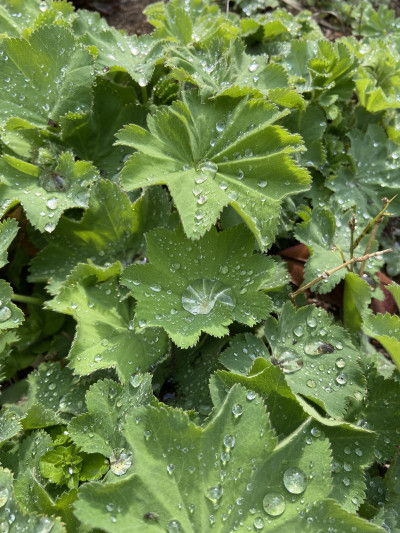
Alchemilla mollis, commonly known as Lady’s Mantle, is a versatile perennial cherished for its soft, scalloped leaves and delicate chartreuse flowers. Understanding Alchemilla mollis care is straightforward, making it an excellent choice for gardeners of all levels. This plant thrives in well-drained soil with moderate moisture and prefers partial shade, although it can tolerate full sun in cooler climates. Regular watering helps maintain lush foliage, and occasional pruning after flowering encourages a tidy, attractive growth habit. Fertilizing in early spring with a balanced, slow-release fertilizer supports healthy development.
Choosing the right companions enhances both the visual appeal and health of your garden. When considering Alchemilla mollis companion plants, pair it with other shade-tolerant perennials like hostas, astilbes, or ferns. Its soft green foliage complements bold textures and colorful blooms, creating layers of interest in mixed borders. Low-growing plants such as geraniums or nepeta also work well, allowing Alchemilla mollis to spill gracefully over edges without being overshadowed.
Propagation is simple, giving gardeners the opportunity to expand their plantings easily. For Alchemilla mollis propagation, division is the most effective method. In early spring or autumn, carefully dig up a mature clump and separate it into smaller sections, ensuring each has roots and shoots. Replant divisions promptly, keeping the soil moist until new growth establishes. Seed propagation is possible but slower and less predictable, making division the preferred approach for maintaining plant vigor.
With consistent attention to Alchemilla mollis care, thoughtful pairing with companion plants, and simple propagation techniques, this perennial can become a reliable, attractive feature in any garden. Its adaptability, low-maintenance nature, and soft, appealing foliage make Alchemilla mollis a favorite for gardeners seeking both beauty and practicality.
Alchemilla mollis can spread quickly, so removing it requires persistence. Start by digging out the plant, making sure to get as much of the root system as possible. Any leftover roots can grow new plants. You can also cut back flower stems to prevent seed production, which helps limit its spread. For large areas, repeated removal over several growing seasons may be necessary. Mulching and planting competitive perennials can also help keep it under control.
No, Alchemilla mollis is not considered poisonous. It’s safe to handle, and children or pets can be around it without risk. However, it’s always best to avoid eating any garden plant unless you’re certain it’s edible.
The soft, rounded leaves can get flattened or scorched. After heavy rain, gently shake off excess water or let the leaves air dry; this prevents fungal spots. During hot, dry weather, water at the base of the plant to avoid wetting the foliage. Cutting back old or damaged leaves in spring also keeps the plant looking tidy. Partial shade helps protect leaves from harsh sun.
Yes, Alchemilla mollis attracts pollinators like bees and butterflies with its small, star-shaped flowers. The soft green flowers are great for adding texture to cut arrangements, especially when paired with bold-colored blooms. Leaves can also add a soft, decorative backdrop in bouquets.
Last updated on Aug 02, 2026
Species suggested by: Dina Russell, 2021
Plant Profile compiled and written by: Team PlantShare
Contributors: Team PlantShare
 Ask Us!