



 Garden The PlantShare Way ®

~ All About Rough Mortonia ~


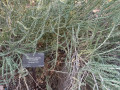
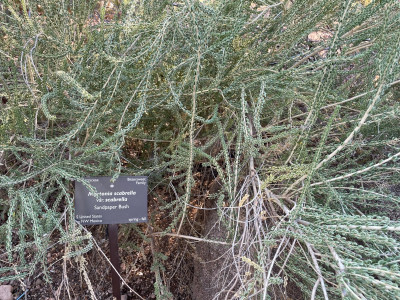
Mortonia scabrella is a resilient and low-maintenance shrub that brings unique texture and interest to any garden. Known for its silvery-gray foliage and small, star-shaped flowers, this plant thrives in arid and well-drained soils, making it ideal for xeriscaping or drought-tolerant landscapes. Its compact size and attractive leaf color allow it to serve as a beautiful accent in rock gardens, borders, or mixed perennial beds.
Proper Mortonia scabrella care is simple but essential for strong growth. Plant in full sun to ensure dense foliage and healthy flowering. Water sparingly once established, as overwatering can lead to root rot. Mulching helps retain soil moisture and keeps the roots cool, while also limiting weed competition. Light pruning after flowering removes dead or weak stems and encourages a tidy, rounded shape.
Propagation of Mortonia scabrella is usually done from seed or semi-hardwood cuttings taken in late spring or early summer. Using well-draining soil and consistent moisture during the rooting period improves success. This shrub is hardy and adaptable, tolerating poor soils where other plants may struggle, which makes it especially suitable for beginner gardeners seeking low-stress plants.
One of the standout features of Mortonia scabrella is its ability to attract pollinators. Bees and butterflies are drawn to its small blooms, adding life and movement to the garden. Its gray-green leaves also provide a striking contrast to brighter flowering perennials or ornamental grasses.
As a companion plant, Leucophyllum frutescens, commonly known as Texas sage, pairs exceptionally well with Mortonia scabrella. Both plants share a love for full sun, excellent drainage, and dry conditions, making them easy to grow together without conflicting care needs. Texas sage adds soft purple blooms and a slightly larger form that contrasts beautifully with the finer texture and lighter foliage of Mortonia scabrella. Together, they create a cohesive, water-wise planting that offers year-round structure and seasonal color.
With proper placement and minimal care, Mortonia scabrella becomes a long-lasting and visually appealing feature. Its drought tolerance, pollinator-friendly flowers, and compatibility with other arid-adapted shrubs make it an excellent addition to sustainable, low-maintenance landscapes.
Yes, light pruning helps maintain a neat, rounded shape. Remove dead, damaged, or weak stems after flowering to encourage healthy growth. Heavy pruning is usually unnecessary, as Mortonia scabrella naturally forms a compact shape, but occasional shaping keeps it looking tidy in gardens.
Yes. Its small, star-shaped flowers attract bees, butterflies, and other beneficial insects. While the blooms are not large, their nectar provides an important food source, making Mortonia scabrella a good addition to pollinator-friendly gardens.
Mortonia scabrella thrives in well-drained soils and tolerates rocky or sandy conditions. It does not perform well in heavy clay or waterlogged soil. Ensuring good drainage is key to preventing root rot and maintaining healthy foliage.
Yes. Its deep, fibrous roots help stabilize soil, making it suitable for erosion control on slopes or dry hillsides. Additionally, Mortonia scabrella is a native plant in certain regions, so it fits well into native or xeriscape landscapes where low water use and ecological benefits are desired.
Last updated on Nov 10, 2026
Species suggested by: Catherine Ko, 2022
Plant Profile compiled and written by: Team PlantShare
Contributors: Team PlantShare & Catherine Ko
 Ask Us!