



 Garden The PlantShare Way ®
~ All About Ivyleaf groundcherry ~


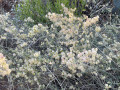
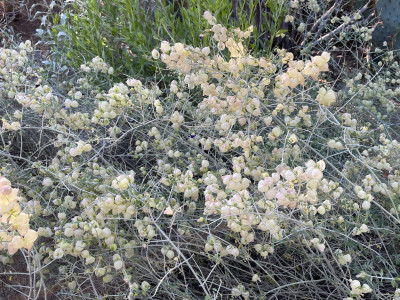
Physalis hederifolia, commonly known as Ivy-leaved Groundcherry, is a hardy and attractive perennial that adds both texture and color to gardens. This plant is valued for its delicate lantern-like fruits and small, star-shaped flowers, which create visual interest throughout the growing season. Its low-maintenance nature makes Physalis hederifolia ideal for beginners who want a resilient, yet striking addition to borders, rock gardens, or naturalized areas.
When it comes to Physalis hederifolia care, the plant thrives in well-drained soil with moderate fertility. Full sun encourages strong growth and abundant fruiting, but it can tolerate partial shade. Water consistently during the first growing season to help the roots establish. Once established, it is drought-tolerant and requires minimal supplemental watering. Mulching around the base retains soil moisture and helps control weeds, further reducing maintenance needs.
Propagation of Physalis hederifolia is simple. The plant can be grown from seeds sown indoors before the last frost or directly in the garden after the danger of frost has passed. Softwood cuttings can also root successfully in moist, well-drained soil. This flexibility makes it easy to expand your garden or share plants with friends.
This plant also works well with carefully chosen companions. Allium schoenoprasum (chives) is an excellent partner, as its compact growth habit fits neatly around groundcherry plants without competing for space. Chives help deter common garden pests such as aphids and beetles, while their purple blooms attract pollinators that also benefit Physalis flowering and fruit set. Their shallow roots coexist well with groundcherry’s spreading habit.
Allium porrum (leeks) is another compatible companion plant. Leeks grow upright and add vertical structure, creating visual contrast with the trailing foliage of Physalis hederifolia. They also help repel pests and improve overall garden diversity. Because leeks prefer similar sun exposure and well-drained soil, they integrate easily into the same planting area.
With the right companions, Physalis hederifolia becomes part of a balanced, productive garden. Its ornamental fruits, pollinator-friendly flowers, and compatibility with useful Allium plants make it a rewarding, low-effort choice for gardeners who want beauty and function working together.
Physalis hederifolia typically flowers in mid to late summer. The small, star-shaped flowers appear first, followed by the formation of its distinctive lantern-like fruits. The fruits develop through late summer into early fall, providing decorative interest for several weeks.
Yes, the fruits are generally edible, but only when fully ripe. Ripe fruits are enclosed in dry, papery husks and usually turn a bright orange or golden color inside. Unripe fruits can be bitter or mildly toxic, so it’s important to wait until the fruit fully matures and softens slightly before harvesting.
Physalis hederifolia can spread moderately. It produces seeds readily, which may germinate in nearby soil if dropped. In a garden bed, some containment or occasional thinning is helpful to prevent it from crowding other plants. Raised beds, borders, or designated areas work well to keep it controlled.
Propagation is straightforward. You can grow Physalis hederifolia from seeds, either started indoors a few weeks before the last frost or sown directly into the garden after frost danger passes. Softwood cuttings taken in late spring or early summer can also root successfully in moist, well-drained soil. Both methods are reliable and allow gardeners to expand their plantings efficiently.
Last updated on May 31, 2026
Species suggested by: Catherine Ko, 2022
Plant Profile compiled and written by: Team PlantShare
Contributors: Team PlantShare & Catherine Ko
 Ask Us!