



 Garden The PlantShare Way ®
~ All About Sulphur prickly pear ~


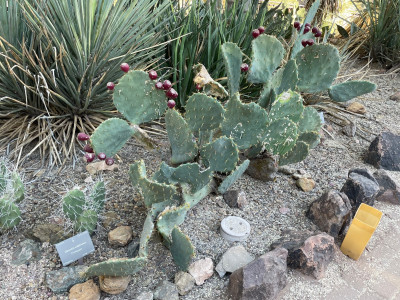
If you want a unique and rewarding plant for your garden, growing prickly pear cactus (Opuntia sulphurea) is an excellent choice. This hardy plant not only offers striking looks but also produces edible fruit with a refreshing, sweet flavor. In the right climate, a prickly pear bloom in late spring or summer is a vibrant highlight that signals the fruit will soon be ready.
The prickly pear season typically runs from late summer into early fall, depending on your region. During this time, you can eat fruit fresh, or turn it into treats like cactus tuna jelly. Beyond its taste, the nutrition facts are impressive — they are rich in fiber, vitamin C, magnesium, and antioxidants.
There are many benefits of nopal (the cactus pads), including supporting healthy digestion and blood sugar balance. The fruit itself also offers notable benefits, such as anti-inflammatory properties and hydration support. Some people even value its benefits for skin, using the fruit’s extracts for moisturizing and soothing effects.
When planting prickly pear cactus, choose a sunny location with well-draining soil. These plants handle drought well but thrive with occasional deep watering during dry months. Overwatering should be avoided, as it can lead to root rot.
Prickly pear cactus pairs especially well with Sedum hybridum as a companion plant. This low-growing succulent ground cover shares similar preferences for full sun, excellent drainage, and minimal watering. Sedum hybridum helps suppress weeds, stabilize soil around the cactus, and adds visual contrast with its dense foliage and small star-shaped flowers, without competing for moisture or nutrients.
To start your own, plant pads in spring once the soil is warm. Wear gloves to protect your hands from spines, and allow cut ends to callus for a few days before planting. With proper care, your cactus will produce blooms and fruit for years to come.
From stunning flowers to delicious, nutritious fruit, the prickly pear is a valuable addition to any garden. With its beauty, hardiness, and multiple uses, it’s a plant that rewards you season after season.
Last updated on May 31, 2026
Species suggested by: Catherine Ko, 2022
Plant Profile compiled and written by: Team PlantShare
Contributors: Team PlantShare
 Ask Us!