



 Garden The PlantShare Way ®

~ All About Sprenger's Asparagus Fern ~

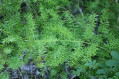
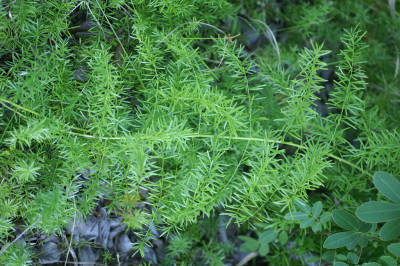
Asparagus aethiopicus, commonly known as the Asparagus fern, is a hardy ornamental plant admired for its fine, feathery foliage and ability to thrive with minimal care. Despite its name, it’s not a true fern but a member of the lily family. This plant is often grown in hanging baskets, garden borders, and containers because of its cascading growth and bright green color that adds texture and life to any space.
When growing Asparagus aethiopicus, choose a location with bright, indirect sunlight. It can tolerate partial shade, but strong light helps maintain dense, healthy foliage. The soil should be well-draining and slightly acidic. Water regularly but avoid soggy conditions, as the roots can rot if left in standing water. During warm months, adding a balanced liquid fertilizer every few weeks encourages strong growth.
However, gardeners should be aware that Asparagus fern is considered invasive in many regions. In warm and humid climates, this species spreads quickly through underground tubers and small red berries that birds easily disperse. Once established, it can overtake native vegetation, making it difficult to remove completely. Always check local guidelines before planting outdoors, and consider growing it in containers to control its spread.
Although Asparagus aethiopicus is valued for its resilience, it does have small thorns on the stems, so wear gloves when pruning or handling it. In cooler climates, protect it from frost by moving containers indoors or covering the plant during cold nights.
For companion planting, Tropaeolum majus (nasturtium) pairs beautifully with Asparagus aethiopicus. Nasturtiums have trailing stems and bright, colorful flowers that contrast nicely with the airy green foliage of the Asparagus fern. They also attract pollinators such as bees and butterflies, enhancing the ecological value of your planting area. Tropaeolum majus thrives in similar light conditions and well-drained soil, making it an ideal partner for visual interest, texture, and seasonal blooms.
With attentive care and thoughtful companion planting, Asparagus aethiopicus becomes a versatile and decorative addition to both indoor and outdoor gardens. Its delicate foliage, cascading habit, and compatibility with flowering companions like Tropaeolum majus create a vibrant, low-maintenance display that adds beauty and movement to any space.
Wear garden gloves when touching or pruning the plant. Long sleeves can also help prevent scratches. Use garden shears instead of pulling or breaking stems by hand to avoid getting pricked by the small thorns.
It’s better suited for outdoor growing where it can get plenty of light and space. Indoors, Asparagus aethiopicus may struggle with limited sunlight and air movement unless kept near a bright window or under grow lights.
Yes, in warm or mild climates, it can spread quickly if not managed. It may form dense clumps or self-seed easily. Regular pruning and removing unwanted shoots help keep it under control.
It’s sensitive to frost and can get damaged in freezing weather. In colder areas, cover the base with mulch, bring potted plants indoors, or wrap outdoor plants with frost cloth to keep them warm until spring.
Last updated on Nov 15, 2026
Species suggested by: Dina Russell, 2022
Plant Profile compiled and written by: Team PlantShare
Contributors: Team PlantShare & Jeffrey Lazar
 Ask Us!