



 Garden The PlantShare Way ®

~ All About Plume Asparagus ~


The Asparagus Fern, scientifically named as Asparagus densiflorus, is a popular plant that adds lush greenery to both homes and gardens, but beginners should understand the basics of proper care before growing it. Successful plant care starts with light and soil. This plant prefers bright, indirect light and well-drained soil that stays slightly moist without becoming soggy.
Many people enjoy keeping it indoor, where it thrives in containers and hanging baskets. Indoors, it appreciates regular misting to maintain humidity and should be placed away from direct afternoon sun, which can scorch its leaves. Outdoors, it is best suited for USDA zone 9 through 11, where it can be grown year-round. Plant roots are thick and tuberous, helping the plant store water. While this makes the plant hardy, it also means roots can become crowded in pots, so repotting every few years is recommended.
Proper Asparagus Fern watering is key to keeping the plant healthy. Water deeply, then let the top layer of soil dry before watering again. Overwatering can cause root rot, while underwatering may lead to yellowing leaves.
When grown outdoors in mixed beds or large containers, Asparagus Fern can be paired with Solanum lycopersicon as a companion plant. Tomatoes prefer full sun, while Asparagus Fern tolerates partial shade, making them suitable for layered planting where the fern grows at the base and provides ground-level greenery. The fern’s dense foliage can help shade the soil, reduce moisture loss, and suppress weeds around tomato plants without competing heavily for nutrients.
Gardeners should also be aware that the plant is poisonous to pets and should be kept out of reach of cats and dogs. Handling the plant may cause mild skin irritation, so gloves are useful when pruning or repotting.
There are many practical uses of Asparagus Fern. It works well as a decorative plant in homes, patios, and landscapes, and its feathery foliage is often used in floral arrangements. For propagation, growers can rely on cuttings or divide mature plants to produce new ones. With the right growing conditions, this plant will reward gardeners with long-lasting beauty and resilience.
To divide an Asparagus Fern, remove the plant from its pot and gently separate the thick, tuber-like roots into sections. Each section should have healthy roots and green stems. Replant the divisions in fresh soil, water them well, and place them in bright, indirect light to help them settle.
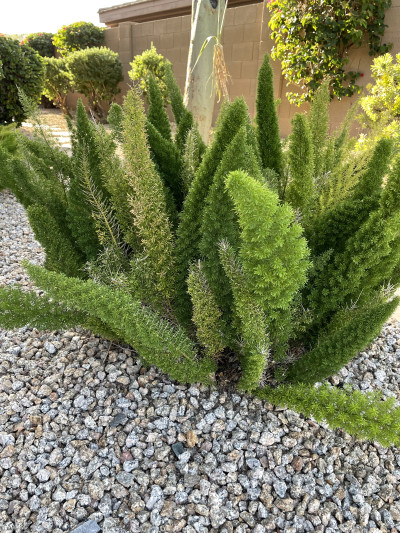
An Asparagus Fern has soft, feathery stems that look like fine needles or fronds. The plant forms a bushy, arching shape and can trail or climb if given support. While it is called a fern, it is not a true fern but a member of the Asparagus family.
Yes, the Asparagus Fern is a perennial. In the right climate, it grows year after year, producing new stems from its thick roots. In colder regions, it can be grown indoors to survive through winter.
No, Asparagus Fern berries are not edible. They are considered toxic to humans and pets. Eating them can cause stomach upset, and handling the berries may also cause skin irritation for some people.
It grows best in bright, indirect sunlight. It can handle some morning sun but should be protected from strong afternoon rays, which may burn the leaves. In lower light, it can survive, but growth will be slower and less full.
Last updated on Nov 16, 2026
Species suggested by: Catherine Ko, 2022
Plant Profile compiled and written by: Team PlantShare
Contributors: Catherine Ko & Jeffrey Lazar
 Ask Us!