



 Garden The PlantShare Way ®
~ All About Sweet orange ~


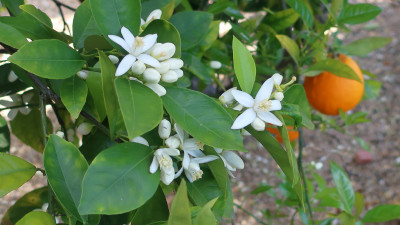
For gardeners seeking a vibrant, fruit-bearing tree, Citrus x sinensis is a perfect choice. Commonly known as the Sweet orange, this tree offers fragrant blossoms, glossy green leaves, and juicy fruit that can be enjoyed fresh or in recipes. With proper care, even beginner gardeners can successfully grow Citrus x sinensis in home gardens, containers, or orchards.
Understanding the different varieties is essential before planting. Popular options include Valencia, Navel, Blood, and Hamlin oranges. Each variety has unique characteristics - Valencia oranges are prized for juicing, Navel oranges are seedless and easy to eat, and Blood oranges offer a striking red flesh and distinct flavor. Choosing the right variety depends on your climate, soil, and intended use.
Caring for Citrus x sinensis involves providing full sun, well-draining soil, and consistent moisture. These trees prefer slightly acidic soil and benefit from organic mulch to retain moisture and regulate temperature. Fertilize during the growing season with a balanced citrus fertilizer to encourage healthy growth and abundant fruit.
Pruning is another important aspect of Citrus x sinensis care. Remove dead or crossing branches in late winter or early spring to maintain shape and airflow. This improves sunlight penetration, reduces disease risk, and promotes better fruit production. Regularly check for pests such as aphids, scale, or spider mites, and address issues promptly to prevent damage.
Like other citrus trees such as Citrus × limon (lemon), sweet oranges share similar care requirements, including warmth, sunlight, and regular feeding, making it easier for gardeners to grow multiple citrus types together.
Harvesting requires patience. Oranges are ready when they develop full color, feel firm yet slightly soft, and easily detach from the branch. Taste-testing a few fruits ensures optimal sweetness and flavor.
By understanding plant varieties and following proper care techniques, gardeners can enjoy a rewarding harvest of fresh, flavorful oranges. With attention to sunlight, soil, watering, and pruning, even beginners can cultivate a thriving, productive orange tree that brings both beauty and delicious fruit to their garden.
Orange trees (Citrus x sinensis) usually take about 3 to 6 years after planting to produce fruit. The exact timing depends on the variety, growing conditions, and whether the tree was grown from seed or grafted. Grafted trees generally bear fruit sooner, while seed-grown trees can take longer.
Common pests include aphids, scale insects, and spider mites. Citrus leafminer can also damage young leaves. Diseases to watch for are citrus canker, root rot, and fungal infections. Inspect your tree regularly, remove damaged leaves, and treat pests early with appropriate methods like insecticidal soap or neem oil.
Prune Citrus x sinensis in late winter or early spring, before new growth starts. Focus on removing dead, diseased, or crossing branches. Light shaping can be done to improve airflow and sunlight penetration, which encourages better fruit development. Avoid heavy pruning during fruiting, as it can reduce yield.
Oranges are ready to pick when they have full color, feel firm but slightly soft, and easily come off the branch with a gentle twist. Taste-testing a fruit is the most reliable method—ripe oranges are sweet and juicy. Avoid harvesting too early, as they will not continue to ripen much after picking.
Last updated on May 31, 2026
Species suggested by: Patricia Ross, 2022
Plant Profile compiled and written by: Team PlantShare
Contributors: Team PlantShare
 Ask Us!