



 Garden The PlantShare Way ®

~ All About English lavender ~


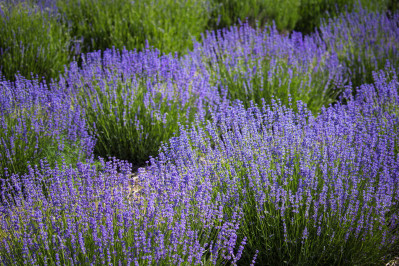
Lavandula angustifolia, commonly known as English lavender, is a versatile perennial that adds both beauty and fragrance to gardens. With its silvery-green foliage and spikes of purple flowers, it’s a favorite among gardeners seeking a low-maintenance, visually appealing plant. Understanding proper Lavandula angustifolia care ensures your plants thrive and produce abundant blooms year after year.
This plant is perennial and prefers full sun and well-drained soil. It tolerates drought once established, making it ideal for gardens in dry climates. Avoid overwatering, as soggy soil can damage roots. Pruning lightly after flowering maintains shape and encourages a second round of blooms. Deadheading spent flowers also directs energy into new growth and helps the plant remain healthy and vibrant.
Lavender pairs beautifully with Rudbeckia hirta as a companion plant. Both thrive in full sun and well-drained soil, and their contrasting colors, lavender’s soft purple spikes alongside Rudbeckia’s golden-yellow petals with dark centers, create a striking visual display. In addition, both plants attract pollinators, enhancing biodiversity in garden beds and borders.
One of the best aspects of Lavandula angustifolia uses is its versatility. The fragrant flowers can be harvested for dried bouquets, sachets, or potpourri. Culinary enthusiasts can incorporate small amounts into teas, baked goods, and desserts. The essential oils extracted from lavender are popular in aromatherapy, soaps, and homemade skincare products. Even in the garden, the plant attracts pollinators like bees and butterflies, supporting a healthy ecosystem.
For container gardeners, lavender thrives in pots with good drainage, making it suitable for patios, balconies, or small spaces. Regular inspection for pests, such as aphids or spider mites, helps keep the plant strong. Fertilize sparingly with low-nitrogen fertilizers to avoid excessive leafy growth at the expense of flowers.
By following proper Lavandula angustifolia care and understanding its practical uses, even beginner gardeners can enjoy a flourishing it. With the right sunlight, soil, and attention to watering and pruning, this fragrant plant can provide beauty, culinary delights, and natural aromatherapy for years to come.
Yes, the flowers and leaves of Lavandula angustifolia, or English lavender, are edible. They can be used sparingly in teas, desserts, or baked goods. However, their flavor is strong, so it’s best to start with small amounts. Only use lavender grown without chemical pesticides.
To promote more flowers, make sure the plant gets full sun—at least 6–8 hours a day. Remove spent blooms regularly (deadheading) to stimulate new flowering. Light pruning after flowering also helps maintain shape and encourages a second flush of blooms. Fertilize sparingly with a low-nitrogen fertilizer to avoid excessive leafy growth instead of flowers.
Lavandula angustifolia grows well both in the ground and in containers. Containers are great for small spaces or colder climates, as they can be moved indoors during winter. Choose pots with good drainage and slightly alkaline, sandy soil. Ground planting is better for long-term growth and larger blooms if you have suitable soil and space.
Harvest flowers when the buds are just opening for the best scent and color. Cut stems in the morning after dew dries, bundle them, and hang upside down in a dark, dry, and ventilated area. Once fully dry, you can use the flowers for sachets, potpourri, or decorative crafts.
Water newly planted lavender regularly until established. Once mature, it prefers dry conditions and should be watered only when soil is dry to the touch. Overwatering can lead to root rot, so in hot climates, water deeply but infrequently. Mulching can help retain moisture without keeping the soil soggy.
Last updated on May 31, 2026
Species suggested by: Dina Russell, 2022
Plant Profile compiled and written by: Team PlantShare
Contributors: Team PlantShare
 Ask Us!