



 Garden The PlantShare Way ®

~ All About Anise ~


Pimpinella anisum, commonly known as Anise, is a fragrant annual herb prized for its licorice-flavored seeds and delicate foliage. It’s easy to grow and offers both culinary and ornamental value, making it an excellent choice for beginner gardeners. Understanding the plant’s growth habits and care needs ensures a healthy, productive crop.
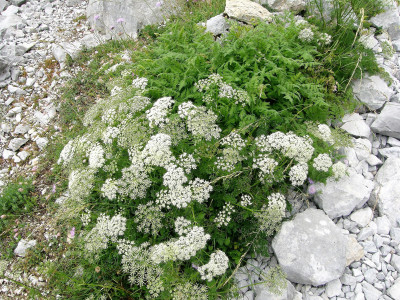
Anise prefers full sun and well-draining soil with a neutral to slightly alkaline pH. Sow seeds directly in the garden after the last frost, spacing them 6–12 inches apart. The seeds germinate in 10–14 days, and seedlings require consistent moisture until they establish. Pimpinella anisum does not transplant well, so direct sowing in the final location is recommended. Once mature, the plant can reach 1–3 feet tall, producing clusters of small white flowers that eventually develop into the aromatic seeds used in cooking and baking.
Most gardeners focus on the seeds, but the leaves are also edible and add a fresh, mild licorice flavor to salads, soups, and teas. Harvest young leaves for the best taste, and avoid taking too many at once to let the plant continue growing. Using both leaves and seeds maximizes the culinary potential of this versatile herb.
Maintaining healthy Pimpinella anisum involves regular watering, especially during dry periods, and removing weeds that compete for nutrients. The plant attracts pollinators such as bees, which also support other plants in your garden. Once the flowers set seeds, allow them to dry on the plant before harvesting. Store seeds in a cool, dry place to preserve their flavor.
By growing Pimpinella anisum and incorporating edible leaves into your kitchen, you can enjoy fresh, aromatic herbs all season. With sunlight, proper soil, and careful harvesting, anise provides both beauty and flavor, making it a rewarding addition to any garden.
As a companion plant, Coriandrum sativum (coriander or cilantro) pairs well with anise. Both herbs prefer full sun and well-drained soil, and their similar watering needs make them easy to manage together. Coriander’s umbrella-shaped flowers also attract beneficial insects, improving pollination and natural pest control. Additionally, growing a variety of aromatic herbs in close proximity can help deter certain pests naturally.
Together, Pimpinella anisum and Coriandrum sativum create a productive, pollinator-friendly herb garden that delivers fresh flavors and visual appeal throughout the growing season.
Anise, scientifically known as Pimpinella anisum, is native to the eastern Mediterranean region and Southwest Asia. It has been cultivated for thousands of years for its aromatic seeds, which have a sweet, licorice-like flavor. Today, it is grown in many parts of the world with warm climates.
Anise is an annual herb, meaning it completes its life cycle in one season. It grows best in full sun and well-draining soil. The plant prefers slightly sandy or loamy soil with a neutral to slightly alkaline pH. Keep the soil evenly moist but avoid waterlogging, as this can damage the roots. Thin seedlings so they have space to grow, usually 6–12 inches apart.
Start Anise from seeds directly in the garden after the last frost. Sow seeds about ¼ inch deep and lightly cover with soil. Water gently to keep the soil moist until germination, which usually occurs in 10–14 days. Anise does not transplant well, so direct sowing in the final location is recommended.
Anise grows well in regions with warm, sunny summers. It thrives in Mediterranean-like climates but can also be grown in temperate areas with proper care. In cooler regions, it can be started indoors and transplanted outside once the weather is consistently warm. The plant can reach 1–3 feet tall and produces clusters of small white flowers, which eventually develop into the flavorful seeds.
Last updated on May 31, 2026
Species suggested by: Patricia Ross, 2022
Plant Profile compiled and written by: Team PlantShare
Contributors: Team PlantShare
 Ask Us!