



 Garden The PlantShare Way ®

~ All About Bush Lily ~


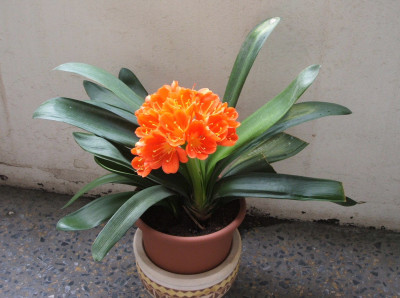
Clivia miniata is a striking perennial known for its vibrant orange flowers and glossy, strap-like leaves. Its low-maintenance nature makes it an excellent choice for beginners who want a visually appealing plant that thrives indoors or in shaded garden areas. Understanding proper Clivia miniata care is key to ensuring healthy growth and abundant blooms.
When growing Clivia miniata, choose a location with bright, indirect light. Avoid direct sunlight, which can scorch the leaves. The plant prefers well-draining soil and moderate watering. During the active growing season, keep the soil lightly moist, but reduce watering in winter to encourage flowering. Fertilize sparingly with a balanced fertilizer, as too much nitrogen can inhibit blooms and promote excessive leaf growth.
Flowering is enhanced by a cool, dry rest period in winter. Placing the plant in a cooler spot and slightly reducing water for six to eight weeks signals the plant to produce flower stalks in spring. This technique is essential for ensuring consistent and vibrant flowering each year.
Clivia miniata propagation is possible through seed or division. Division is the fastest method and is best done after flowering when offsets or “pups” have developed around the parent plant. Carefully separate these offsets, ensuring each has roots, and replant in fresh soil. Propagation from seed is slower, taking several years before seedlings reach flowering maturity, but it can be rewarding for patient gardeners.
As a companion plant, Liriope muscari pairs beautifully with Clivia miniata in shaded gardens. Liriope’s grass-like evergreen foliage complements Clivia’s broad leaves, while its spikes of purple flowers add seasonal contrast. Both plants thrive in partial shade and well-drained soil, making them easy to grow together. Liriope might be acceptable as a groundcover, helping to suppress weeds and maintain consistent soil moisture around Clivia roots, but it can also choke out the Clivia if it gets too dense.
Together, Clivia miniata and Liriope muscari create a layered, elegant planting that delivers year-round texture and dependable color with minimal maintenance.
Start by collecting seeds from a mature plant once the berries turn orange. Remove the seeds from the pulp and rinse them thoroughly. Sow seeds in a well-draining potting mix, just beneath the surface, and keep the soil consistently moist but not waterlogged. Place the container in bright, indirect light. Germination can take 2–3 months, so patience is essential. Seedlings grow slowly, and it may take several years before they mature enough to flower.
Clivia miniata requires a cool, dry rest period in winter to trigger flowering. Reduce watering and keep the plant in a spot with moderate temperatures (50–60°F / 10–15°C) for about 6–8 weeks. When growth resumes in spring, provide bright, indirect light and resume regular watering. Avoid excessive nitrogen fertilizers, as they encourage leaf growth over flowers.
Yes, mature Clivia miniata plants can be divided to create new plants. The best time is just after flowering, usually in late spring. Carefully remove the plant from its pot, separate offsets with healthy roots, and replant them in fresh soil. Allow the divisions to establish before expecting them to bloom.
Clivia miniata is considered toxic to both cats and dogs. All parts of the plant, especially the bulbs, contain compounds that can cause vomiting, drooling, and lethargy if ingested. Keep the plant out of reach of pets and educate household members about its toxicity.
Last updated on Nov 10, 2026
Species suggested by: Dina Russell, 2020
Plant Profile compiled and written by: Team PlantShare
Contributors: Team PlantShare
 Ask Us!