



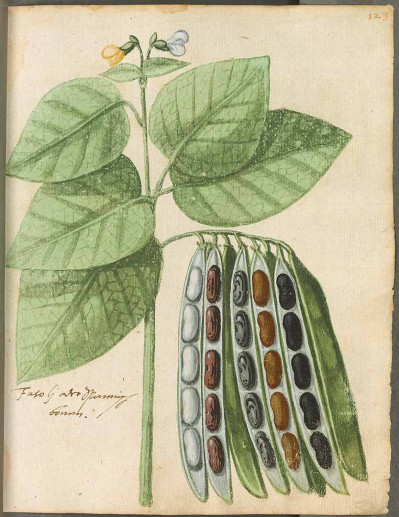
Red Beans

 Garden The PlantShare Way ®

~ All About Common bean ~


The common bean, known scientifically as Phaseolus vulgaris, is one of the most rewarding crops for beginner gardeners. Learning the basics of growing Phaseolus vulgaris will help you produce healthy, flavorful pods throughout the season.
Start by choosing the right location. Beans love full sun and well-drained soil rich in organic matter. Warm weather is essential for germination and strong growth, so wait until after the last frost before planting. For best results, sow the seeds directly in the garden rather than starting them indoors, as beans dislike root disturbance.
There are many Phaseolus vulgaris varieties to explore, each offering different growth habits and flavors. Bush beans are compact and mature quickly, making them ideal for small gardens or containers. Pole beans, on the other hand, climb tall supports and produce continuously over several weeks, giving higher yields from limited space. Try mixing varieties to enjoy a longer harvest window.
Watering should be consistent but moderate. Keep the soil moist, especially during flowering and pod formation, but avoid soaking the roots. Mulching helps retain moisture and control weeds. Fertilizing is rarely necessary since beans fix their own nitrogen, but a light application of compost before planting can boost soil health.
When growing Phaseolus vulgaris, monitor for common pests such as aphids or bean beetles. Regular inspection and hand removal often keep infestations under control. Harvest pods when they are firm and full but before they become tough or dry.
By understanding your different varieties and giving them the right environment, you’ll enjoy a steady supply of fresh beans all season long—nutritious, versatile, and perfect for any home garden.
Beans originated in Central and South America, where they were first grown thousands of years ago. Ancient civilizations like the Mayans and Aztecs cultivated them as a main food source. From there, beans were spread across the world and became a staple in many diets due to their nutrition and easy growth.
The botanical name of the common bean is Phaseolus vulgaris. This species includes many familiar types, such as green beans, kidney beans, pinto beans, and black beans. All belong to the legume family, which means they can naturally enrich the soil by fixing nitrogen from the air.
To grow Phaseolus vulgaris, plant seeds directly into warm, loose soil after the last frost. Choose a sunny spot with good drainage. Water regularly but don’t overwater, as soggy soil can rot the roots. Support climbing types with poles or trellises. Beans grow fast and can be harvested in about 50–70 days, depending on the variety.
Phaseolus vulgaris grows best in well-drained, fertile soil with a pH between 6.0 and 7.0. The soil should be loose and rich in organic matter, like compost. Avoid heavy clay or compacted soil, as it can hold too much water. Good airflow and drainage help prevent disease.
Green beans are harvested young and eaten fresh, pods and all. "Shell beans" (those used in soups, stews etc) are mature, dry seeds that have been removed from the pods. Pods of these beans are discarded. Kidney, pinto and red beans are for soups and stews. Black beans are small, dark beans with a creamy texture and rich flavor. All the many 'shell beans' come from Phaseolus vulgaris, but they differ in color, taste, and how they’re eaten.
Last updated on May 31, 2026
Species suggested by: Dina Russell, 2022
Plant Profile compiled and written by: Team PlantShare
Contributors: Team PlantShare
 Ask Us!