



 Garden The PlantShare Way ®
~ All About Tequila Agave ~


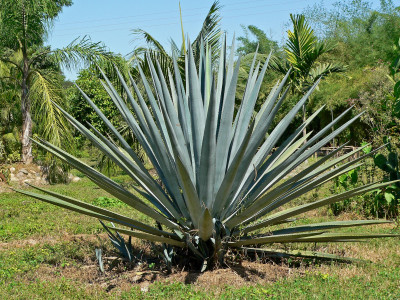
Agave tequilana, commonly known as Blue agave, is the iconic plant used to make tequila. Its striking rosette of spiky blue-green leaves adds a sculptural element to gardens while being relatively low-maintenance. Understanding Agave tequilana growing requirements helps beginners cultivate healthy, long-lived plants.
When selecting plant varieties, consider size and climate adaptability. The standard blue agave (Agave tequilana var. azul) is the most common and widely cultivated. Other varieties may have slightly different leaf colors or growth habits but generally share similar care needs. It thrives in USDA zones 9–11, where winters are mild, and frost is rare. In cooler climates, it can be grown in containers and moved indoors during winter or protected with frost cloths.
Growing conditions include full sun and well-draining soil. It tolerates sandy or rocky soils and performs best in locations with excellent air circulation. Avoid planting in heavy clay or waterlogged areas, as this can cause root rot.
Blue agave watering is minimal once established. Water young plants regularly until roots are established, but allow the soil to dry between waterings. Mature plants are drought-tolerant and require only occasional deep watering. Overwatering can damage roots and reduce overall plant health.
Propagation is most commonly done through offsets, or “pups,” that grow around the base of the parent plant. This is faster and more reliable than growing from seeds, which can take several years to reach maturity.
As a companion plant, Opuntia basilaris contrasts well with Blue agave. Opuntia basilaris features flat, paddle-shaped pads and vibrant pink to magenta flowers that contrast strikingly with agave’s blue-gray foliage. Both plants thrive in full sun, tolerate drought, and prefer well-drained soil, making them ideal partners in xeriscapes or desert-style gardens. Together, they create a sculptural, low-water landscape that offers bold texture, seasonal blooms, and long-lasting visual interest with minimal care.
By following proper growing techniques, providing the right growing conditions, and understanding watering needs, beginners can enjoy a thriving, sculptural plant that adds both beauty and a touch of tradition to their garden.
Yes, authentic tequila is made specifically from the Blue agave plant (Agave tequilana var. azul). Other Agave species are used to make different spirits like mezcal, but only Blue agave can produce tequila.
Blue agave plants can reach 4–6 feet in height and spread 6–10 feet across, depending on growing conditions. Each plant needs plenty of space for air circulation and root growth, so leave at least 6–8 feet between plants when cultivating more than one.
The easiest method is by offsets, called “pups,” which grow around the base of the parent plant. Remove the pup with some roots and plant it separately. Agave tequilana can also be grown from seeds, but this method is slower and may take several years to reach maturity.
Yes, Agave tequilana is monocarpic, meaning it flowers only once in its lifetime, usually after 8–12 years. It produces a tall flower stalk, sometimes over 20 feet, and after flowering, the main plant dies. However, it often produces pups around its base before dying, ensuring the next generation of plants.
Always wear thick gloves and long sleeves when handling tequila agave. Use pruning tools carefully to avoid the sharp spines along the leaf edges and tips. Work slowly and keep children and pets away, as the spines can cause painful puncture wounds.
Last updated on Aug 02, 2026
Species suggested by: Catherine Ko, 2022
Plant Profile compiled and written by: Team PlantShare
Contributors: Catherine Ko
 Ask Us!