



 Garden The PlantShare Way ®
~ All About Woolly Blue Violet ~


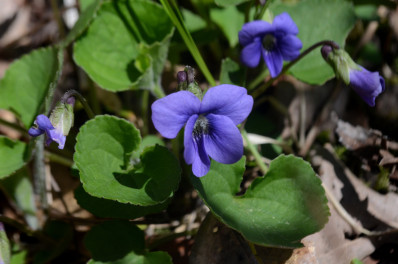
If you want a small, dependable plant that brings charm to shady areas, consider adding a violet (Viola sororia) to your garden. These low-growing perennial plants offer cheerful blooms in early spring and create a soft, natural look that works well in borders, woodland edges, and beneath shrubs. Their ability to return year after year makes them an easy choice for beginners who want reliable color without heavy upkeep.
One of the best ways to use violets in landscaping is as a ground cover. Their spreading habit fills empty spaces quickly, creating a carpet of green leaves and delicate flowers. This makes them especially useful in areas where grass struggles to grow. Most varieties tolerate shade, but they also handle filtered sunlight without stress, giving you flexibility in where to plant them.
To grow a healthy violet, start with loose, well-drained soil that holds moisture without staying soggy. Violets appreciate consistent watering during dry periods, especially when newly planted, but they don’t require constant attention once established. A thin layer of compost in early spring gives them the nutrients they need to produce strong leaves and bright blooms.
When using violets as a ground cover, allow enough space between plants for natural spreading. They expand on their own over time, creating a dense, attractive mat that helps suppress weeds. If the plants begin to spread too far, you can thin them easily by lifting and dividing clumps in early fall or spring.
As a companion plant, Uvularia grandiflora combined with violets create the feel of a natural woodland garden. Its graceful, arching stems and drooping yellow bell-shaped flowers bloom in spring, complementing the violet’s purple tones. Both plants thrive in similar conditions: partial to full shade and moist, well-drained soil, making them easy to grow together. Uvularia adds height and vertical interest, while violets provide a soft ground layer.
Together, they create a layered, naturalistic planting that offers early-season color, texture, and reliable beauty with very little maintenance.
Violets are a great choice for gardeners who want simple care and natural beauty. With a bit of moisture, light shade, and occasional thinning, these plants stay healthy and continue to brighten your garden every year.
Wild violets usually bloom for 4–6 weeks in spring. In cooler climates, the bloom period can last a bit longer because the flowers don’t fade as quickly.
Plant violets in a spot with light shade or filtered sunlight. They also do well in rich, moist soil that drains easily. Areas under trees, along shady borders, or beside pathways work especially well.
Wild violets naturally grow in forests, meadows, and lightly shaded fields. They prefer moist, fertile soil and often appear in places where the ground stays cool and damp.
Give Viola sororia partial shade and soil that stays lightly moist. Water during long dry spells, but don’t let the soil turn muddy. Adding a thin layer of compost in spring helps the plant grow strong leaves and flowers. If it spreads too quickly, you can dig up extra clumps and thin them out to keep the patch neat.
Last updated on May 31, 2026
Species suggested by: Patricia Ross, 2022
Plant Profile compiled and written by: Team PlantShare
Contributors: Team PlantShare
 Ask Us!

