



 Garden The PlantShare Way ®

~ All About Trailing Arbutus ~


If you want a low-growing plant that brings early spring fragrance to shady areas, consider growing Epigaea repens. Commonly known as Trailing arbutus or Mayflower, this woodland shrub is admired for its sweet-scented flowers and its ability to create a soft, natural ground layer under trees. Although it has a reputation for being a bit finicky, beginners can succeed with the right approach.
When planning your space, choose a site that mimics natural forest conditions. Trailing arbutus thrives in dappled shade, cool temperatures, and humus-rich soil. Pine woods or the filtered shade of deciduous trees provide ideal environments. Good airflow helps prevent moisture-related issues, but avoid placing the plant in harsh sun or windy areas, which can stress its shallow root system.
Soil preparation is the key to growing Epigaea repens. This plant prefers acidic soil with a loose, sandy or peaty structure. Mixing pine needles, leaf mold, or peat moss into the soil creates a texture close to what it finds in nature. Moisture is important, but the soil must drain well. Constant wetness can lead to root decline, so water only when the top layer begins to dry.
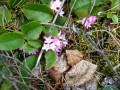
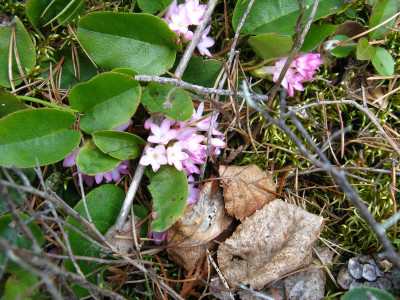
Once established, trailing arbutus grows slowly but rewards you with clusters of white or pink flowers each spring. Light mulching helps maintain soil moisture and protects fragile roots. Avoid heavy fertilizers, as the plant responds better to gentle, organic feeding such as compost or decomposed leaf litter.
Because it grows close to the ground, keep foot traffic away from the planting area. Disturbance can damage the plant’s delicate growth and slow its progress.
As companion plants, both Viola tricolor and Viola sororia add color and interest to a low density planting of trailing arbutus. Viola tricolor, often called wild pansy or heartsease, produces charming multicolored blooms and thrives in light shade with moist, well-drained soil. It adds slightly taller accents and extended spring color above the low mat of Epigaea. Viola sororia, the common blue violet, spreads gently to form a complementary ground cover. Its heart-shaped leaves and purple or blue flowers echo the woodland aesthetic while helping suppress weeds and retain soil moisture. All three plants enjoy similar conditions (partial shade, humus-rich soil, and moderate moisture), making them harmonious partners in a naturalistic woodland garden.
With patience, careful soil preparation, and compatible companions, Epigaea repens becomes a rewarding and fragrant addition to shaded garden spaces year after year.
Mayflower blooms in early spring, usually from April to May. In cooler regions, the flowers may appear a little later, but the blooming window stays short.
In many areas, Epigaea repens is considered uncommon and is protected by local or regional laws. Its natural habitats are sensitive, and wild populations decline when forests are disturbed. Because of this, collecting it from the wild is often restricted or completely banned.
It needs lightly moist soil, especially during the growing season. Water when the top layer starts to dry, but never let the soil stay soggy. The plant has shallow roots that dislike standing water, so good drainage is essential.
Historically, some Indigenous groups used parts of the plant for herbal teas and remedies, mainly for kidney or respiratory issues. Today, these uses are not common, and the plant is mostly grown for its fragrance and early spring beauty. Because it is protected in many regions, harvesting it from the wild is discouraged.
Last updated on Nov 10, 2026
Species suggested by: Patricia Ross, 2022
Plant Profile compiled and written by: Team PlantShare
Contributors: Team PlantShare
 Ask Us!