




 Garden The PlantShare Way ®

~ All About Black-eyed Susan ~


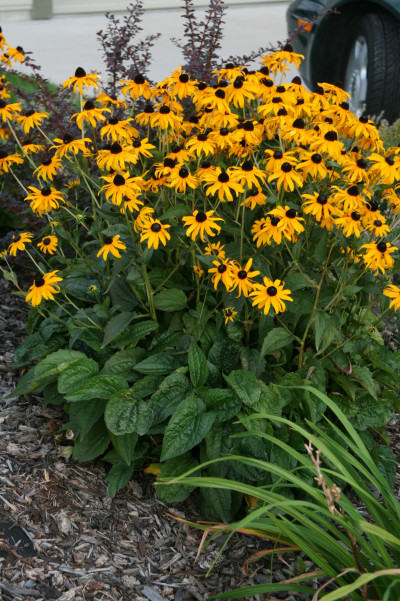
Black-eyed Susans (Rudbeckia hirta) are some of the easiest flowering plants for beginners, especially if you want a garden that stays bright from summer into fall. With the right approach to care, these cheerful blooms can return every year and even spread into fuller, healthier clumps. Their long blooming season is one of the main reasons gardeners love them, as many varieties continue producing flowers well into early autumn.
Before planting, choose a sunny spot with well-drained soil. Black-eyed Susans thrive in open light and don’t mind heat once established. Understanding proper water requirements helps keep them strong. Young plants need regular watering during their first few weeks, but mature stands handle dry periods well. Overwatering can lead to root problems, so aim for deep, occasional soaking rather than constant moisture.
A closely related and equally popular companion plant is Echinacea purpurea, commonly known as eastern purple coneflower. Like Rudbeckia hirta, it prefers full sun and well-drained soil, but it is especially valued for its sturdy stems, large daisy-like purple flowers, and strong drought tolerance once established. Planting the two together creates a long-lasting, pollinator-friendly display that attracts bees and butterflies throughout summer.
Many gardeners ask whether the plant can become overwhelming. In rich soil or ideal conditions, some varieties may spread quickly, which leads to questions about invasive behavior. While not aggressively invasive, they can self-seed freely. Mulching and timely trimming help keep them in check.
Learning how to prune Rudbeckia hirta is key to maintaining a tidy, long-lasting display. Remove spent flowers through the season to encourage new blooms. Cut the stems down to the base in late fall or early spring to refresh growth for the next year.
Another common concern involves safety. While not highly toxic, some parts of the plant can irritate pets or sensitive individuals, raising questions about whether Rudbeckia hirta poisonous risks exist. In most cases, reactions are mild but still worth noting.
With simple care, Rudbeckia hirta offer dependable color, adaptable growth, and low maintenance—all qualities that make them a great starting point for anyone new to gardening.
Plant seeds indoors 6–8 weeks before the last frost if starting inside. For direct sowing, wait until the soil has warmed in spring, usually after the last frost date in your area.
Sow seeds in well-draining soil, lightly covering them. Keep the soil moist until germination, which usually takes 7–14 days. Place them in full sun and thin seedlings as they grow to avoid crowding.
Most varieties reach between 2 and 3 feet tall. Some garden cultivars may grow a little taller, up to 4 feet.
Trim back spent flowers during the blooming season to encourage new blooms. At the end of the season, cut the plants down to a few inches above the ground before winter.
Transplant seedlings after the last frost when the soil is workable. Choose a sunny spot and space plants 12–18 inches apart to allow room for growth.
They prefer full sun but can tolerate partial shade. In deeper shade, they may grow taller with fewer flowers.
Bloom time usually lasts from midsummer to early fall, about 6–8 weeks. Deadheading can extend the flowering period.
Propagate from seeds, by dividing clumps in spring or fall, or by rooting cuttings from healthy stems. Seeds give the easiest results.
Some varieties are perennials, but Rudbeckia hirta is often grown as a biennial or annual. Other species like Rudbeckia fulgida are true perennials.
Individual plants spread about 1–2 feet wide, forming a compact clump of flowers. Taller varieties may need staking in windy areas.
Yes, they are generally deer resistant. Deer tend to avoid the rough, hairy leaves and bitter taste.
Last updated on May 31, 2026
Species suggested by: Dina Russell, 2022
Plant Profile compiled and written by: Team PlantShare
Contributors: Team PlantShare
 Ask Us!